The first thing I notice on a Sunday afternoon is the quiet click of a knife against a cutting board, followed by the smell of garlic warming in olive oil. That small ritual is where good meal prep ideas begin: not with identical plastic containers, but with a few ingredients prepared well enough to carry you through busy days. Whether you are packing lunches for the office, stocking a galley kitchen before a road trip, or trying to avoid expensive takeout, a flexible plan can make weekday eating feel generous rather than dutiful.
Build a meal prep rhythm that fits real life
The most useful meal prep ideas start with an honest look at your calendar. If Wednesday includes a late meeting and a child’s soccer practice, do not plan a recipe that needs 45 minutes of attention. Choose one anchor protein, two vegetables, one grain, and a sauce that can change the mood of the meal.
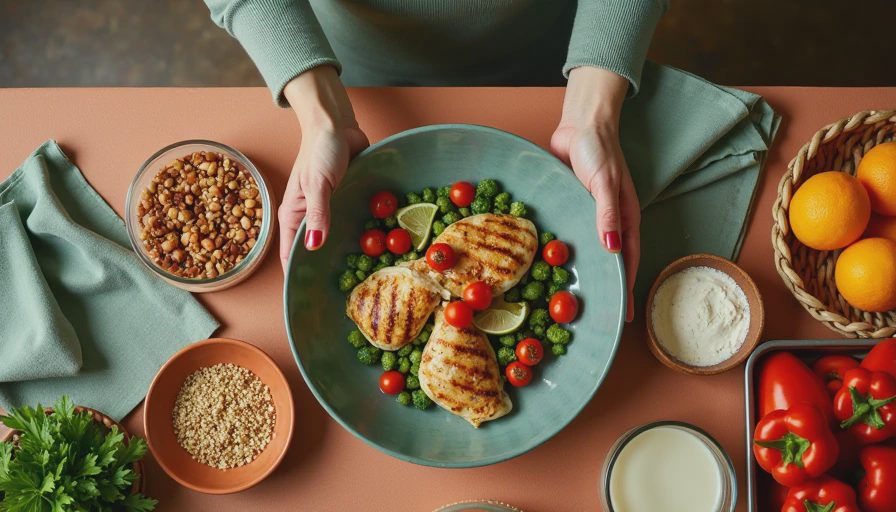
For example, roast a sheet pan of chicken thighs with smoked paprika and lemon, cook farro or brown rice, and prepare broccoli, carrots, and red onion on a second tray. A yogurt-herb sauce makes the first dinner feel Mediterranean. A few corn tortillas, avocado, and hot sauce turn the leftovers into tacos. By Friday, the chicken can become a warm grain salad with toasted almonds.
This approach also reduces waste. Buy a bunch of cilantro for the sauce, then use the stems in rice or soup. Save roasted vegetable scraps for an omelet. A $25 to $40 grocery run can become several lunches and dinners when the components are designed to overlap without tasting repetitive.
Meal prep ideas for the refrigerator, not the fantasy kitchen
A practical prep session should take about 60 to 90 minutes, including cleanup. Start by preheating the oven, then wash produce while it heats. Put the longest-cooking item in first, usually a tray of vegetables or a pot of grains. While those cook, make a dressing, chop herbs, and portion snacks.
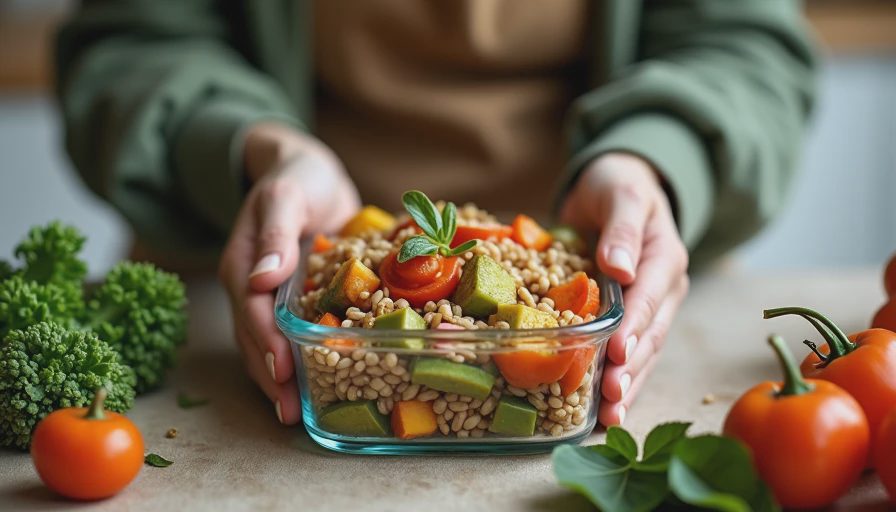
Glass containers with locking lids are useful at home because they stack cleanly and can move from refrigerator to oven, provided the manufacturer approves oven use. For lunches, I prefer shallow containers: food cools more evenly, and the contents do not become a compressed pile by day three. Keep sauces in small jars until serving, especially if you are storing greens, roasted potatoes, or anything crisp.
Good meal prep ideas also account for texture. Store crunchy toppings separately from soft ingredients. Keep sliced apples in lemon water for a short period, but do not expect them to stay perfect all week. Cook pasta slightly short of al dente if it will be reheated. Add delicate herbs at the last minute rather than burying them under hot food.
The detail that made the biggest difference in my own kitchen was labeling containers with the meal and date. “Rice bowl, Tuesday” is far more helpful than opening four identical boxes and guessing which one is freshest.
Make road-trip food that survives the passenger seat
The best road-trip meals are compact, sturdy, and easy to eat without creating a crisis in the center console. Before a long drive, I like to prepare sesame soba noodles, turkey and cheddar wraps, hard-boiled eggs, grapes, and small bags of roasted nuts. These foods handle a cooler, require little assembly, and do not leave a driver searching for a fork at 70 miles per hour.
For a Subaru Outback, Honda CR-V, or similar crossover, a soft-sided cooler fits neatly behind the front seats and leaves the cargo area available for luggage. Freeze two water bottles instead of buying separate ice packs; they keep food cold and become drinking water later. Pack napkins, wet wipes, resealable bags, and a small trash container. The unglamorous supplies are what make a meal feel civilized at a scenic overlook.
Meal prep ideas for driving should also respect food safety. Keep perishable foods in a cooler with plenty of ice, minimize the time the cooler stays open, and move it into a refrigerator when you arrive. For a hot-weather trip, shelf-stable choices such as peanut butter crackers, tuna packets, dried fruit, and whole oranges provide useful backup when a planned stop disappears.
Five combinations that avoid the leftover slump
One reliable combination is roasted salmon, baby potatoes, green beans, and mustard-dill sauce. Eat the salmon warm the first night, then flake it over greens with cucumber and capers for lunch. Because fish is more delicate than chicken, use it early in the week.
Another is a Mediterranean bowl with chickpeas, quinoa, cucumbers, tomatoes, feta, olives, and lemon dressing. It is inexpensive, filling, and easy to keep vegetarian. Add grilled chicken or shrimp when you want more protein.
For colder evenings, make a pot of turkey, white bean, and kale soup. Portion it into freezer-safe containers, leaving room for expansion. Reheat one serving on a busy night and finish it with grated Parmesan and toasted bread.
A fourth option is a taco kit: seasoned black beans or shredded chicken, cabbage slaw, roasted sweet potatoes, salsa, and tortillas. Each person can build a different plate, which is especially useful when a household has competing preferences.
Finally, prepare a breakfast set with overnight oats, hard-boiled eggs, berries, and whole-grain toast. A jar of oats with almond butter and cinnamon costs less than a cafe breakfast and travels well in a work bag.
Shop once, prep twice, and keep the flavors moving
A smart shopping list follows categories rather than recipes. Choose two proteins, two grains, four vegetables, one leafy green, two fruits, and two sauces. This structure gives you enough variety without filling the refrigerator with ingredients that belong to only one dish.
For a week of lunches and dinners, a realistic list might include a pound of chicken thighs, a dozen eggs, two cans of chickpeas, a bag of brown rice, tortillas, broccoli, sweet potatoes, peppers, spinach, lemons, yogurt, apples, and berries. Add pantry staples such as olive oil, soy sauce, cumin, chili flakes, and vinegar. The total can stay near $60 to $85 for one adult, depending on local prices and how much is already in the pantry.
Use one cuisine direction at a time, then shift the accents. A lemon-garlic base can become Greek with oregano and feta, Middle Eastern with cumin and tahini, or California-style with avocado and cilantro. The ingredients stay efficient while dinner still feels like a choice.
A simple Sunday plan that actually gets finished
Begin with a 10-minute inventory. Check the refrigerator, freezer, and pantry before shopping. Next, write down three meals and two flexible lunches, not seven rigid recipes. Wash produce, start grains, roast vegetables, and cook the main protein. While the oven works, mix sauces and portion snacks. Finish by cooling food before sealing containers and wiping down the counters.
This is where the best meal prep ideas become a habit instead of a performance. Leave one meal intentionally unfinished. For instance, prep the vegetables and sauce but cook fresh pasta on Thursday, or freeze the soup in individual portions rather than eating it four days in a row. Freshness needs to be planned, too.
A year later, what I still think about is not the efficiency of those Sundays. It is the evening I arrived home after a long drive, opened the refrigerator, and found everything needed for a warm bowl already waiting. That is the real promise of meal prep ideas: less scrambling, more room for the part of life that happens after dinner.