
The numbers landed the way a long desert highway does after midnight: quiet on the surface, but the load is heavier than it looks. October’s U.S. new-vehicle market stayed essentially flat to modestly higher depending on the source, with the seasonally adjusted annualized rate hovering in the mid-15-million range—around 15.5 to 15.6 million units in several reads, a touch softer than some earlier forecasts that had pointed closer to 16 million. Volume itself benefited from the calendar in places, yet the underlying pace refused to break higher.
Average transaction prices remained stubbornly elevated. Kelley Blue Book and related Cox data put the October ATP near $48,600 in the most recent comparable reporting cycles, still well north of pre-pandemic norms and hovering in the territory that makes the average new vehicle feel like a $50,000 decision even after incentives. Some earlier J.D. Power retail transaction estimates ran lower, but the lived reality for buyers is the same: the number on the window and the number that hits the bank account every month have not returned to the old normal.
And that monthly number is the one that stings. Reports put the average new-vehicle payment at a record high for an October—approximately $823 in the data matching the current cycle—while financing rates sat near 6.8 percent and longer loan terms continued to stretch. Fuel prices, while not at crisis peaks, stayed firm enough to remind every driver that the cost of moving is not limited to the payment book. The result is a market that is still selling cars, yet doing so under a clear and persistent affordability pressure.
The Numbers Behind the Squeeze
Sales held. That is the headline most outlets will lead with, and it is true enough. After years of supply shocks, chip shortages, and then the inventory rebuild, the industry has settled into a range that is neither collapse nor boom. Inventories have recovered—crossing the three-million-unit mark in some recent tallies—and days’ supply has climbed into the mid-80s. Automakers responded the only way the modern market allows: with rising incentives. Spending as a percentage of transaction price moved higher month over month and stood substantially above year-ago levels in multiple reports, with some mainstream brands and segments pushing double-digit discounts relative to ATP.
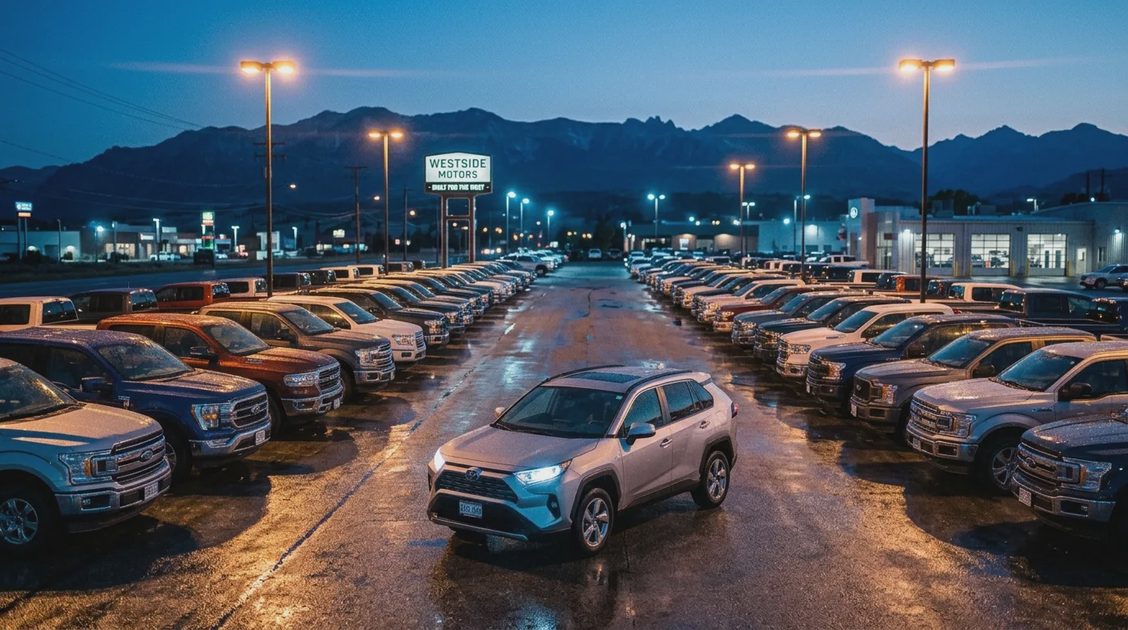
Yet the relief has been uneven. Compact SUVs still transact well below the industry average—often in the mid-$30,000s—while full-size pickups continue to command mid-$60,000 averages. Electric vehicles sit in their own pricing world, sometimes helped by incentives, sometimes hurt by the end of certain credits, and frequently carrying higher ATPs than the broader market. The mix matters. When the vehicles people actually want (or feel they need) sit at the higher end of the price ladder, the average payment climbs even if the headline ATP looks stable.
Interest rates remain the other lever. They have eased from their peaks in some windows, yet auto-loan rates have not fully tracked the broader policy path, and the combination of still-elevated vehicle prices plus reduced trade-in equity has kept the financed amount—and therefore the payment—stubbornly high. Longer terms (84 months and beyond) have become a common coping mechanism. That spreads the pain but also locks buyers into the vehicle, and into the interest cost, for a longer stretch of their working lives.
Fuel sits in the background like a low-level hum. It is not the dominant story every month, but when pump prices refuse to fall meaningfully, every additional mile on a road trip or a daily commute compounds the monthly budget math. For someone already writing an $800-plus check for the car itself, the total cost of ownership stops feeling abstract.
What the Data Actually Feels Like on the Ground
I have spent enough time in dealerships and on the road to know that the SAAR is an abstraction until you watch a family sit at the desk and run the numbers twice. The salesperson talks residual value and total cost of ownership. The customer hears the monthly payment and the number of years they will be writing that check. When the payment hits a record for the month, that conversation changes tone. People who once stretched for the nicer trim start looking harder at the base model, or at certified pre-owned, or at simply waiting another year.
Trade-in equity has softened in many segments. That is the quiet secondary pressure. A few years ago a strong used-vehicle market was quietly subsidizing new-vehicle purchases. That cushion is thinner now. Buyers who expected a bigger credit toward the new loan are discovering they need to bring more cash or accept a higher financed amount. The payment climbs another notch.
The Human Layer: Why This Matters Beyond the Spreadsheet
Cars are not appliances. They are the machines that carry the road-trip cooler, the ski gear, the dog, the late-night drive when the mountains are calling and the city lights are finally behind you. When the cost of that machine starts to crowd out the experiences it is supposed to enable, something shifts in the culture of ownership.
I drive a project car that has been modified past the point of pure practicality and I still rent or borrow whatever the next assignment requires. The difference is that my monthly nut is deliberate. For a lot of households the monthly nut is not a choice; it is the entry ticket. An $823 average payment, layered on top of insurance, fuel, and maintenance, starts to look less like mobility and more like a second rent check. That changes how people plan weekends, how far they are willing to drive for a good meal or a trailhead, and whether the next vehicle is a joy or a necessary evil.

There is also a quiet stratification happening. Higher-income households and those with strong credit continue to buy, often the richer trims and the vehicles with the highest residuals. Lower- and middle-income buyers are stretched further, pushed toward longer terms, higher mileage used cars, or delayed replacement. The market can still post a 15.5–15.6 million SAAR under those conditions, but the composition of who is buying what begins to tilt. That tilt has long-term consequences for brand loyalty, residual values, and the used-vehicle supply that will feed the market five and six years from now.
Incentives help, and they are rising. That is real relief. But incentives are a tactical response, not a structural fix. They paper over the fact that the average new vehicle still costs more in real terms than it did before the pandemic-era supply shock, and that financing costs have not returned to the ultra-low environment that once made $40,000 cars feel manageable on ordinary incomes.
The Road-Trip Test
Here is my personal filter. Before I care about SAAR or ATP, I ask whether the current market still lets an ordinary person keep the road-trip muscle memory alive. Can a couple in their thirties or forties finance a reliable, reasonably efficient vehicle without the payment becoming the dominant line item in the household budget? Can they still afford the fuel to take that vehicle somewhere interesting on a long weekend? Can they do it without signing an 84-month note that will still be open when the kids are in high school?
Right now the answer is more qualified than it used to be. The vehicles themselves are better—safer, more capable, more efficient, more connected—than almost anything on the road a decade ago. The financial barrier to entry has simply moved higher. That is the tension the October data keeps illustrating: demand is resilient enough to keep the factories busy, yet the price of participation keeps testing the limits of what many households can comfortably carry.
Looking Ahead Without the Crystal Ball
None of this means the market is about to seize up. Inventory is healthier. Incentives are working. Rate cuts, when they arrive in meaningful size and duration, will eventually feed through to auto loans. Product cycles continue; new models still generate genuine excitement. The American preference for personal mobility is not going away.
What the data do suggest is that the industry has entered a longer phase of constrained affordability. Sales can remain in the mid-15-million range for some time without feeling robust. Manufacturers will keep leaning on incentives and mix management. Dealers will keep walking the line between moving metal and protecting margin. Buyers will keep doing the quiet arithmetic of monthly payment versus everything else they want the car to enable.
For those of us who still measure life partly in miles and landscapes, the practical response is the same as it has always been: buy what you can actually afford to run and maintain, keep the vehicle longer if the numbers demand it, and treat the road itself as the point rather than the newest badge on the grille. The horizon is still out there. It just costs a little more each month to reach it.
Sources drawn from contemporaneous reporting and data releases from J.D. Power, Kelley Blue Book/Cox Automotive, and related industry analyses covering October sales pace, transaction prices, incentive levels, and monthly payment trends.