
On a hot afternoon, the first clue is usually not drama. It is the air turning colder than expected, then weaker, then a little damp on the vents, like the system is trying to ice itself shut. A freeze on car ac can start that way, which is why it gets missed until the cabin goes from crisp to sticky in a few miles. Here is what you smell first, what you notice second, and what you'll remember a year from now: if the airflow changes before the temperature does, the problem is often airflow, refrigerant, or both, not just bad luck.
Why the air turns icy in the first place
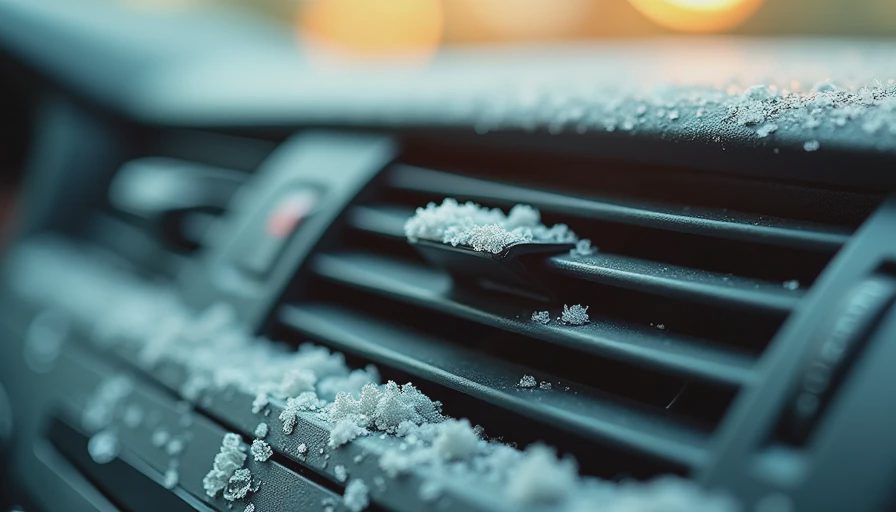
A freeze on car ac usually means the evaporator inside the dash is getting colder than it should and moisture is freezing on it. When that happens, the air can feel strong for a few minutes and then fade as ice blocks the fins. The most common triggers are a dirty cabin air filter, a weak blower motor, low refrigerant, or a refrigerant control part such as the expansion valve not metering correctly.
The detail that made the trip: this is often a slow problem, not a sudden one. If you notice the center vents blowing colder than the side vents, or the compressor cycling on and off more than usual, the system is trying to tell you something. A freeze on car ac is less about the thermometer on the dash and more about air moving through the system the way it should.
What you can check in the driveway before you pay for service
Before you book a shop, spend ten minutes on the basics. Start with the cabin air filter. If it is gray, packed with dust, or loaded with leaves, replace it. Filters usually run about $20 to $60, and a clogged one is one of the easiest fixes in the whole story. Then look at the vents and make sure nothing is blocking airflow, from a forgotten phone mount to a bag on the passenger footwell.
Next, listen for the blower. If the fan sounds weak on high speed, or changes pitch when you hit bumps, airflow may be the real issue. A freeze on car ac can also show up after a long idle in traffic, which points to a fan or condenser airflow problem. If the air gets cold again once you start rolling, that is a clue worth giving a technician.

What a repair shop is likely to find, and what it may cost
Once the easy stuff is ruled out, a technician will usually check refrigerant pressure, scan for leaks, and inspect the compressor, condenser, and evaporator controls. A straightforward AC diagnostic often lands around $100 to $180 at an independent shop, sometimes more at a dealer. If the system only needs a refrigerant service and leak check, total cost can sit around $150 to $300. If a compressor, condenser, or expansion valve has failed, the bill climbs fast, often into the $700 to $1,500 range depending on the vehicle.
A freeze on car ac is not the kind of repair you want to keep topping off. Repeated recharges without fixing a leak can turn a manageable problem into a bigger one, especially if the compressor runs low on oil and starts wearing itself out. If you are pricing the repair, ask for a written estimate that separates diagnosis, parts, labor, and refrigerant so you can compare shops apples to apples.
How to keep it from coming back on summer trips
The easiest prevention is boring, which is exactly why it works. Replace the cabin air filter on schedule, usually every 15,000 to 30,000 miles, or sooner if you drive dusty roads. Run the AC for a few minutes in cooler months so seals stay lubricated. Keep the windshield cowl and exterior intake area clear of leaves, because the system cannot breathe if the car is swallowing debris.
A freeze on car ac is also more likely when the AC is running hard for long stretches at low speed, such as creeping toward a trailhead or sitting in a drive-through line. On road trips, I like to switch from recirculate to fresh air for a few minutes now and then, especially after the cabin is fully cooled. It helps the system breathe and keeps condensation from building up as quickly.
When insurance may help, and when it will not
This is where a lot of drivers get tripped up. Auto insurance usually does not pay for routine maintenance, low refrigerant, a dirty filter, or a worn compressor that failed from age. Those are repair-shop problems, not claim problems. A freeze on car ac by itself is almost never an insurance event.
Insurance can enter the picture if the AC damage came from a covered loss, such as a collision, hail, a falling branch, vandalism, or road debris that tore up the condenser or lines. In those cases, comprehensive or collision coverage may apply, depending on what actually happened. If the car was hit and the AC stopped working the next day, tell the adjuster exactly what broke and when. That keeps the claim focused on the covered damage instead of the symptoms.
The smartest time to stop guessing and book the fix
If the vents frost up, the air turns warm at idle, or you hear the compressor clicking in and out like a metronome, it is time to stop improvising. A freeze on car ac that keeps returning usually has one root cause, and a shop can find it faster than a driver can by trial and error. That matters if you have a weekend drive planned, a dog in the back seat, or a long commute in July.
My rule is simple: if a new cabin filter does not change the behavior, and the air still goes from cold to weak to warm, book the diagnostic. The sooner you catch it, the better the odds that you are paying for a service visit instead of a major component. For anyone planning a road trip, that is money well spent, because the best kind of AC repair is the one that lets you forget it was ever a problem.