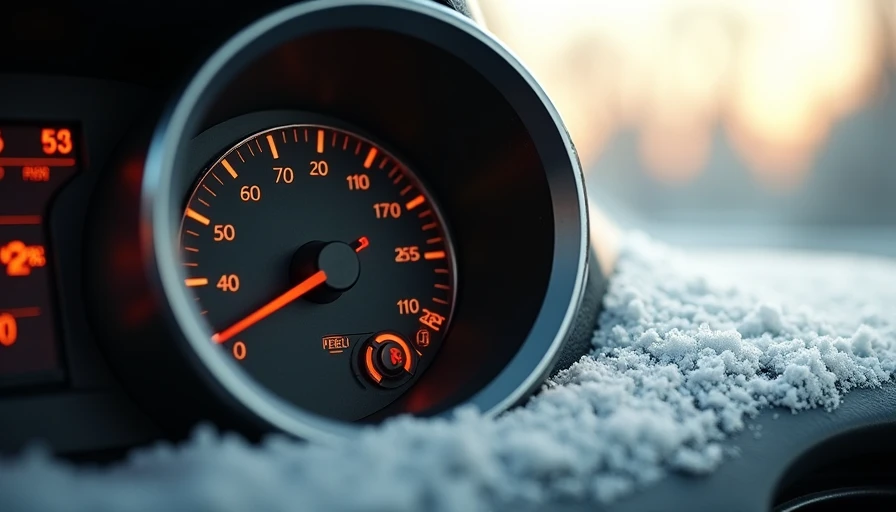
On a frosty morning, the cabin heater kicks on, the windshield starts to haze at the corners, and the fuel-economy number on the dash seems to slide the wrong way before you have even reached the end of the block. If you've ever asked does mpg go down in winter, the answer is yes, and the reason is not that your car suddenly forgot how to drive. Cold air, low tire pressure, thicker fluids, and a lot of short, stop-and-go trips all team up against mileage. The effect is easy to ignore in July and impossible to miss when you're scraping frost off the glass with one hand and holding a coffee with the other.
What cold weather changes before you even leave the driveway
The short answer to does mpg go down in winter is yes, because a cold engine is less efficient at first startup. Until the engine, transmission, and cabin all warm up, the car spends more fuel getting itself ready to move than it does cruising. That is why winter hurts commuters who make lots of tiny trips more than drivers who spend an hour on the freeway. A five-mile errand run can be especially punishing; by the time the car reaches a comfortable temperature, you are already parking again.
Tire pressure is another quiet culprit. For every drop in temperature, tires lose pressure, and a tire that looked fine in October can be several pounds low by January. Underinflated tires flex more, which creates rolling resistance and eats mpg. Cold air is denser too, which means more drag at highway speeds. Add winter fuel blends in some markets, a thicker engine oil on older cars, and a few extra minutes of idling while the defroster clears the glass, and the math starts to tilt.
In practical terms, I would expect a normal winter dip to be noticeable but not dramatic. On a car that returns around 28 mpg in mild weather, a drop into the mid-20s is not shocking when mornings are freezing and traffic is crawling. That is not a mechanical failure; it is physics with a frosty edge.
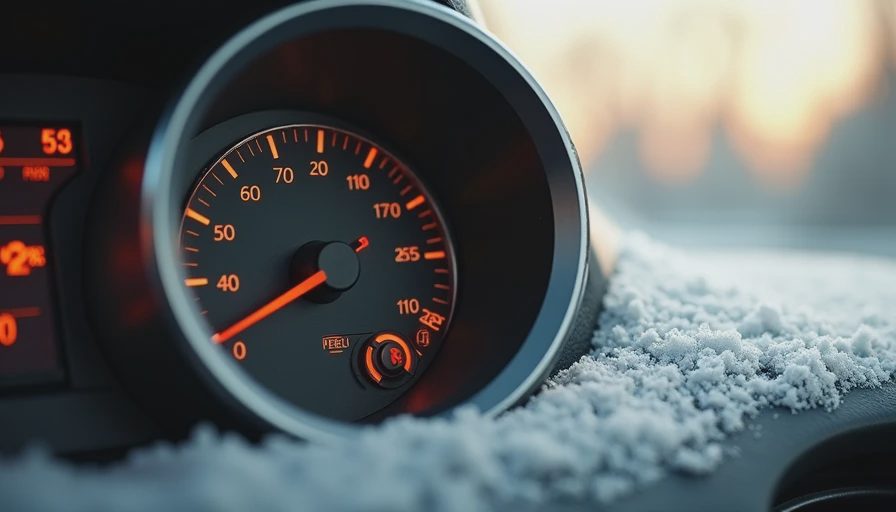
The habits that make winter mpg worse than it has to be
Some of the damage is built into the season, but a lot of it is habit. Remote starting the car for ten minutes every morning feels luxurious, especially when the seats are still cold enough to sting, but it is easy to burn fuel without moving an inch. The same goes for leaving the engine running while you clear snow, unload groceries, or wait outside a school pickup line. All of that idling shows up on the trip computer, and none of it gets you closer to your destination.
Roof boxes and cargo carriers are another hidden drag. A Thule or Yakima box on top of the car is wonderful for a ski weekend, but it also pushes air like a stubborn sail. Even a couple of extra coolers, boots, or luggage bins left in the back can make a difference over time. If you drive an all-wheel-drive crossover like a Subaru Outback, Toyota RAV4, or Honda CR-V, the drivetrain's extra grip is welcome when the roads turn slick, but it can also come with a small efficiency tradeoff compared with the same vehicle in front-wheel drive form.
Then there is the way winter changes your driving style. People naturally brake later, accelerate harder, and leave the climate control on full blast when the cabin never quite feels warm enough. That extra throttle, plus the defroster and heated seats, keeps the alternator busy and the fuel gauge moving faster than you want. None of this is a reason to drive cold or unsafe. It is simply the part where a winter commute stops being a clean, efficient run and starts becoming a little more expensive.
How to get some mileage back without turning the cabin into a freezer
The best fixes are boring, which is usually a good sign. Start with tire pressure. Check it when the tires are cold, not after a long drive, and fill them to the number on the door placard, not the maximum stamped on the sidewall. That alone can recover some lost efficiency and make steering feel less vague. If you live somewhere that sees real snow, good winter tires from brands like Bridgestone Blizzak, Michelin, or Continental are worth the money for grip and confidence, even if the mpg conversation is a little less glamorous.
Next, cut down on the rituals that waste fuel. Combine errands so the engine warms up once instead of five times. Use heated seats and steering-wheel heat before you crank the cabin temperature sky-high. Ease into throttle instead of punching it away from every stoplight. On the highway, smooth speed matters more than bravado; a steady 65 usually beats a series of quick accelerations and late braking.
Maintenance matters more in winter than people think. Fresh engine oil at the right viscosity, a clean air filter, properly aligned wheels, and brakes that are not dragging all help a car work less for the same result. If your vehicle calls for synthetic oil, do not treat that as optional in January. The difference is small individually, but winter is a season of small losses stacked on top of one another.
When the winter drop is normal and when to look closer
If the mpg drop feels modest and starts when the weather turns cold, that is usually normal. If the decline is sudden, steep, or paired with rough idling, a check-engine light, or a pull to one side, then something else is going on. Low tire pressure is the simplest fix, but a sticking brake caliper, a thermostat that is stuck open, a dirty mass airflow sensor, or an old spark plug can all hurt mileage in ways winter makes easier to notice. The clue is whether the car feels merely colder or actually less healthy.
This is also the moment to think about winter costs as a bigger picture, not just a fuel bill. Snow, slush, parking-lot taps, and cracked windshields are the other expenses that show up when temperatures fall. If does mpg go down in winter feels like part of a larger seasonal budget squeeze, a quick review of your auto policy can help. Collision and comprehensive deductibles around $500 or $1,000 are common starting points, but the right number depends on how much risk you want to carry and how expensive your car is to repair.
A winter driving season should make your routine a little slower, not your wallet a lot lighter. Keep the tires aired up, skip the needless idling, and pay attention to the mechanical stuff that is easy to forget when the weather is mild. Do that, and the car will still feel like itself on a cold morning, just with a little less drama at the pump. Here is what you smell first, what you notice second, and what you'll remember a year from now: the cold was never the whole story, and a few small habits can put a surprising amount of mileage back in your favor.