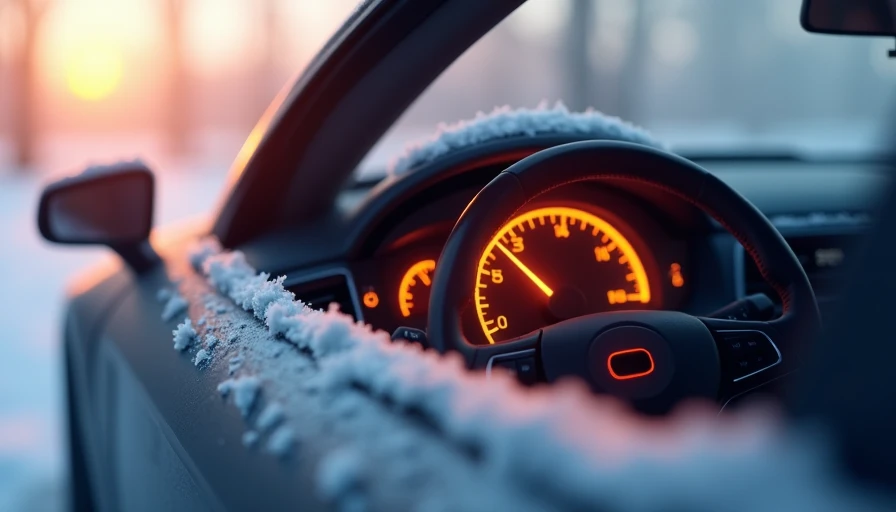
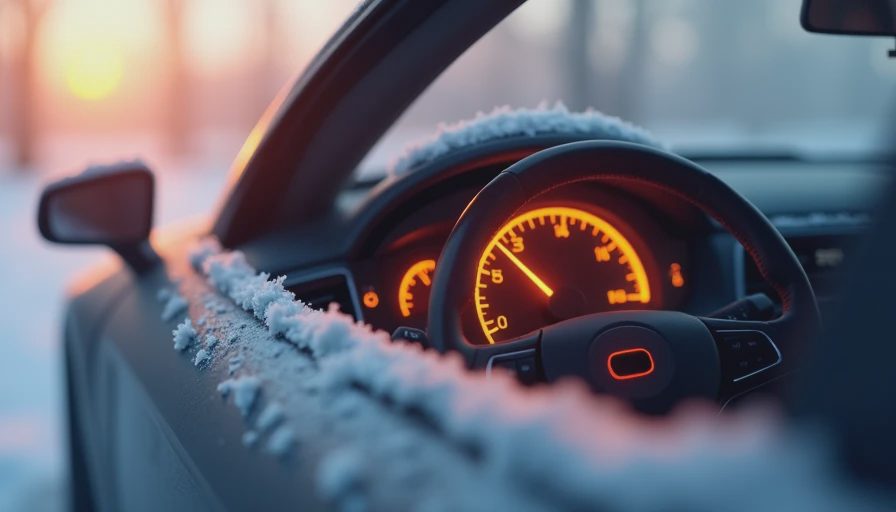
The first cold morning always feels a little theatrical: frost on the windshield, a steering wheel that bites your hands, and a cabin that smells faintly like damp wool and stale heat. If you've ever watched the range estimate drop on a frosty commute and wondered do you get worse gas mileage in the winter, the answer is usually yes. The reason is not one big winter villain. It is a stack of small ones—thicker fluids, cold rubber, extra idling, and a car that needs more time and fuel before it settles into its most efficient rhythm. On a mild Bay Area morning, my Subaru Outback barely notices. On a January trip to the mountains, it absolutely does.
What cold weather does before you even leave the driveway
A gas engine is happiest when it is warm and moving steadily. In cold weather, it spends more time in the opposite state. Oil thickens a little, metal parts need a longer warm-up, and the engine control system often runs a richer mixture right after startup so the car will run smoothly. That extra fuel does not buy extra distance; it buys drivability. Winter fuel blends in some regions can also carry slightly less energy per gallon than summer blends, which is another reason the numbers look softer when temperatures fall.
Then there is the human side of winter driving. Defrosters, seat heaters, heated mirrors, and a blower fan on high all ask more from the electrical system. That load is not huge, but it adds up on short trips. If your routine is school drop-off, a grocery run, and a coffee stop, the engine may never fully warm up before you shut it off again. That is when the seasonal dip becomes most obvious.
Why short trips punish mileage the most
When people ask do you get worse gas mileage in the winter on a short commute, the answer is often more yes than they expect. Ten minutes of driving around town in January is not the same as ten minutes in July. The first few minutes are where efficiency is worst, because the car is using fuel to warm itself, warm the catalytic converter, and clear the glass. If the trip ends before all that happens, you never get the payoff.
Stop-and-go traffic makes the problem louder. Every red light, every stop sign, and every slow crawl through slushy streets forces the engine to work in a less efficient range. A hybrid handles that better than a traditional gas-only sedan, which is part of why cars like a Toyota RAV4 Hybrid or Honda CR-V Hybrid tend to feel calmer in winter commuting. Even then, a hybrid is not magic. Cold batteries and a cold cabin still steal some efficiency, especially when you are only driving a few miles at a time.
The detail that made the trip: long highway miles are easier on winter mpg than a neighborhood loop full of errands.
The car itself can make the seasonal drop bigger
Some vehicles feel winter more than others. A taller SUV with all-wheel drive, chunky tires, and a roof box loaded with ski gear will usually lose more mpg than a compact sedan on plain wheels. That does not mean the SUV is doing anything wrong. It just has more drag, more rolling resistance, and more mass to move. A Subaru Outback, a Jeep Grand Cherokee, or a three-row crossover can be wonderfully useful in bad weather, but physics still keeps the scoreboard.
Tire pressure matters too. Cold air lowers tire pressure, and even a small drop can increase rolling resistance. I have checked tires on a 40-degree morning and found them looking a little tired before I even started the engine. That is why the tire-pressure light often appears on the first truly cold day of the season. Snow tires can help traction, but they can also feel a bit softer on dry pavement than your summer or all-season set.
Roof racks and cargo boxes are easy to forget and hard to ignore at the pump. If you are driving around with a ski box in March, you are paying for that convenience in mpg.
How to measure the change without fooling yourself
Do you get worse gas mileage in the winter? The cleanest way to answer that is to compare like with like. Reset your trip meter after a fill-up, drive the same route, and record the actual gallons at the next fill-up. Trip computers are useful, but they can be optimistic or conservative depending on the vehicle. A paper log in your notes app works just fine, and so does a quick spreadsheet if you like seeing trends over time.
Compare a winter week to a similar week in fall, not to a one-off highway road trip with perfect weather. Pay attention to temperature, traffic, tire pressure, and whether you left the car idling for the windshield to clear. If your numbers drop a little on cold mornings and bounce back when the weather warms, that is normal. If they sink hard and stay there, something else may be going on.
The habits that actually help on a daily basis
The fixes are mostly unglamorous, which is why they work. Keep tires inflated to the door-jamb recommendation, not the sidewall number. Clear snow and ice before you drive so the car is not dragging extra weight or fighting extra wind resistance. Use seat heaters instead of blasting the cabin heat on high for the first ten minutes. Skip long remote starts unless you truly need them; idling burns fuel without moving you anywhere. And if you run a roof box, take it off when the trip is over.
Route choice matters too. If one road is five minutes longer but smoother and less stop-and-go, it can be the better winter mpg play. On the days when I am running errands across San Francisco, I try to batch them so the car gets one good warm stretch instead of three cold ones. That sounds small, but it is the difference between a tank that feels normal and one that disappears faster than it should.
When the drop is normal, and when to look closer
A seasonal dip is one thing. A sudden, dramatic drop is another. If your car used to average 28 mpg and now it is stuck in the high teens after a tune-up and a tire check, winter may not be the only culprit. A dragging brake, a stuck thermostat, a dirty air filter, or a sensor problem can all hurt mileage. So can a low tire that looks fine at a glance but is quietly underinflated by several pounds.
The bigger clue is consistency. Cold weather should create a pattern: lower mpg on cold starts, better mpg after longer drives, and a return toward normal when temperatures climb. If the pattern does not make sense, get it looked at before you assume it is just January doing January things. And if you are already comparing the full cost of driving this season, from fuel to maintenance to coverage, that is a smart moment to shop an auto insurance quote while the numbers are fresh.
So yes, do you get worse gas mileage in the winter, but the size of the hit tells you a lot. A little drop is seasonal. A big one is a signal.