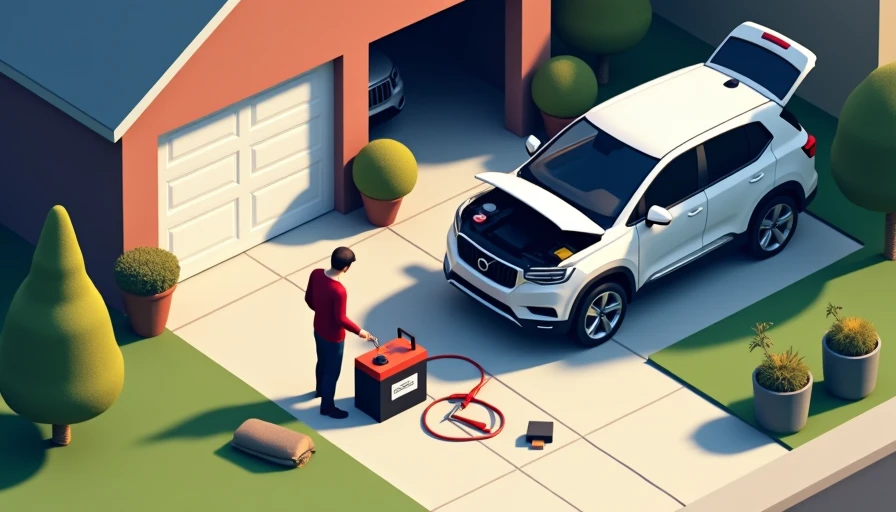
On a damp morning, the hood lifts with that hollow metal sigh, and you get the same little mix of rubber, dust, and old road grit that lives under most cars. When I'm connecting new car battery terminals, the job feels simple right up until the moment it matters: one sloppy clamp, one reversed cable, and the whole afternoon can go sideways. Done cleanly, though, it is one of the fastest ways to bring a dead car back to life without a tow, a jump pack, or a long wait at the curb.
A fresh battery should do more than crank the engine. It should restore strong starts, steady idle behavior, and the kind of confidence you want before a weekend drive, whether that means a school run across town or a long haul toward wine country. The detail that made the trip: most of the trouble is not the battery itself, but the way it is installed, matched, and secured.
What changes when the old battery comes out
A weak battery rarely quits in a dramatic way. It usually sends smaller clues first. The starter slows down on cold mornings. The dome light looks a little dimmer than you remember. The key fob works only after a second press. In some cars, the clock and radio presets start disappearing after the vehicle sits for a few days. That is the moment to stop guessing and test the battery, because a dying battery can look a lot like a failing alternator or a tired starter.
When a replacement is due, the goal is not just to swap a box under the hood. The new battery has to match the car’s group size, terminal layout, and cold cranking amps, or CCA. On many daily drivers, a standard flooded battery runs around $120 to $200. An AGM battery, which is common in start-stop vehicles and some luxury models, often lands closer to $180 to $350. If a shop handles the installation, labor may add $20 to $80, depending on access and whether the battery is tucked into the trunk or under a seat.
That is why the first minute matters so much. You want clean terminals, the right battery, and no surprises once the clamps are tightened.
Connecting new car battery cables without a guess
Start by making sure the ignition is off, the key is out of the car, and any accessories are switched off. If your vehicle uses a memory saver, plug it in before disconnecting the old battery so you do not lose presets, seat positions, or steering wheel settings. Then remove the negative cable first on the old battery, followed by the positive. That order reduces the chance of a short if your wrench touches metal while you are working.
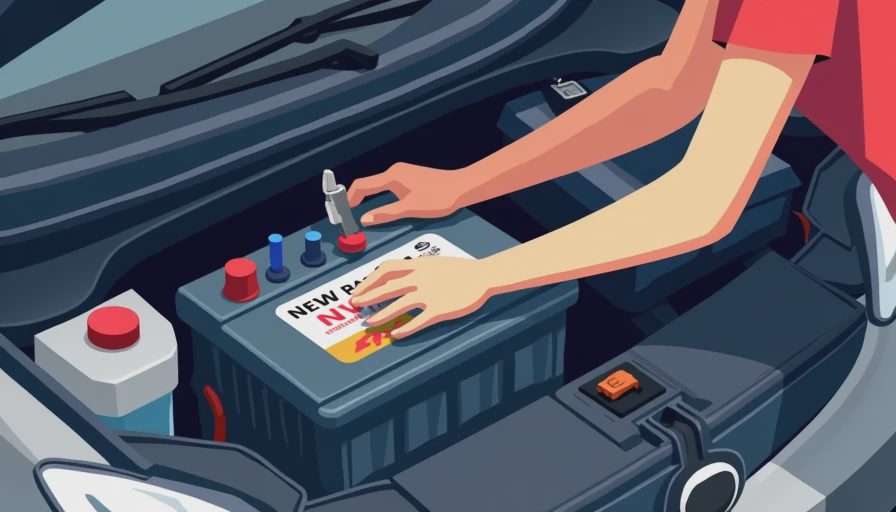
For the new battery, set it squarely in the tray and fasten the hold-down before you touch the terminals. A battery that can move around will wear itself out faster and can loosen a cable over time. After that, attach the positive cable first, then the negative. Tighten each clamp until it is snug and secure, but do not crush the post with brute force. You want firm contact, not damaged hardware.
If the posts or clamps are dirty, clean them with a terminal brush before installation. A little corrosion can hide under a clamp and make a new battery act weak from day one. I also like a thin coat of dielectric grease on the exposed metal after everything is connected. It does not fix a bad connection, but it can help slow future corrosion.
How to avoid the mistakes that turn a quick job into a tow
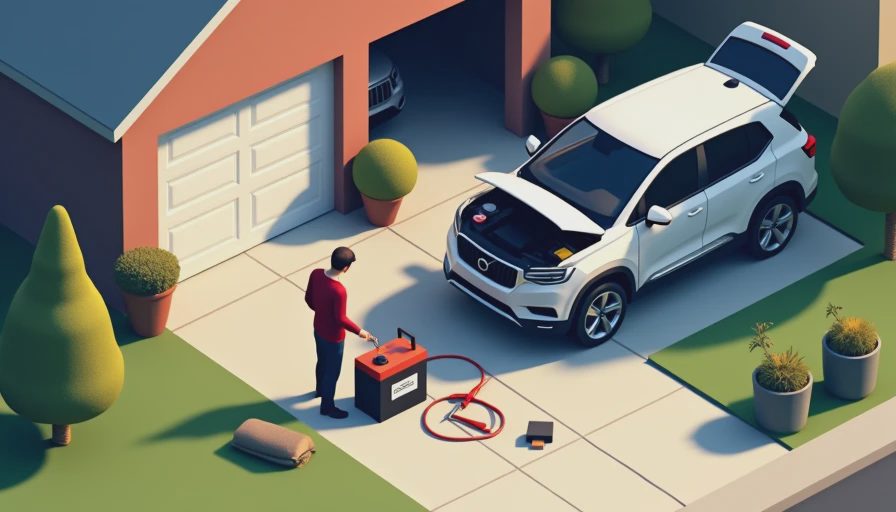
The most common mistake is simple but expensive: reversing the cables. Modern cars can tolerate a surprising amount, but a reversed connection can blow a fuse, damage sensitive electronics, or leave you with a car that still will not start. If the terminals do not line up naturally, stop and compare them to the old battery or the vehicle manual. Do not force anything into place.
Another issue is ignoring battery type. A flooded battery is not a perfect stand-in for an AGM battery if the car was designed for AGM. Start-stop systems, higher accessory loads, and some premium trims depend on the right construction to keep voltage stable. If the battery on the shelf looks cheaper but the label does not match what the vehicle calls for, the savings can disappear the first time the dash lights flicker.
A third mistake is leaving the battery loose. A battery that shifts during braking can damage the tray, stress the cables, and shorten its own life. If the hold-down hardware is rusted or missing, replace it. That usually costs far less than a second battery.
When the car still will not start after the swap
If the engine stays silent after a proper install, do not assume the new battery is bad. Check for a loose clamp first, then look at the basics: headlights, interior lights, and dash warning lamps. Bright lights with no crank can point toward a starter issue. Dim lights, clicking, or repeated resets can point toward a cable problem or a parasitic draw that is draining the battery while the car is parked.
A simple voltage check with a multimeter can tell you a lot. A healthy resting battery usually sits around 12.6 volts, give or take a little. Once the engine runs, charging voltage should climb above that, often somewhere in the 13.5 to 14.7 range. If the numbers are far outside that window, the alternator or charging system may need attention.
This is also where a good parts store or independent shop earns its keep. Many will test the battery and charging system for free or for a small fee, which is cheaper than replacing parts by instinct. If you are buying a battery from a familiar brand like Interstate, DieHard, or Optima, ask for the test before you leave the lot. It is a quick way to rule out a bad unit before you spend another hour under the hood.
When to hand the job to a shop
Some cars make battery work easy. Others bury the battery under trim, in the trunk, or behind a wheel well cover that turns a 15-minute task into a half-hour project. If the vehicle has advanced driver assistance systems, a battery management system, or a hard-to-reach mounting setup, a shop can save time and prevent an expensive mistake. That is especially true if you are not sure whether the car needs an electronic reset after installation.
I usually think of the shop route as a good buy when the price difference is modest. If a battery is $220 and installation is another $40, that is often a fair trade for clean disposal, proper torque, and a quick test of the charging system. Dealership service can cost more, but it may be worth it for newer models with special registration steps or for owners who want the paper trail.
The nicest part is peace of mind. You drive away knowing the battery is seated correctly, the terminals are tight, and the car is ready for the next long dinner run, airport pickup, or mountain weekend. And if connecting new car battery cables still feels awkward, that is not a failure; it is a sign that the job is worth doing carefully.
What I still think about a year later is this: a clean battery install is one of those unglamorous car jobs that pays you back every cold morning. If you take your time, match the battery correctly, and connect the terminals in the right order, the car usually rewards you with exactly what you wanted in the first place: one confident turn of the key and a smooth start.