
The first thing you notice is usually not the dashboard light. It is the smell: sharp, hot, and a little metallic, drifting through the vents after a normal drive. If your car smells like burning oil after oil change, the good news is that the problem is often small and close to the service bay, not deep inside the engine. A few drops spilled on the exhaust, a loose oil cap, or a filter that was not seated quite right can all make the cabin smell worse than the repair actually is. That said, a fresh smell deserves attention, because oil on a hot engine can turn a cheap fix into a bigger one if you ignore it.
Why the smell shows up after the service
A car smells like burning oil after oil change most often for one of three reasons. The first is residue. Oil drips onto the valve cover, the exhaust manifold, or the heat shield during the service, then bakes off as you drive home. The smell can linger for one or two trips and then fade. The second is a loose or damaged part, like a drain plug that is not tightened correctly or a filter with a pinched gasket. The third is overfill. Too much oil can foam, leak, or get pushed into places it should not be, which makes the odor stronger and sometimes creates smoke.
A careful shop can still leave a little mess behind, especially on a tight engine bay where the oil filler sits near hot components. On some cars, especially turbocharged models, the heat cycle is intense enough that a small spill makes a big smell. If the odor is strongest right after parking and then gets lighter as the engine cools, that points toward a surface spill more than an internal failure. If the smell stays strong after several days, assume it is not just leftover residue.

Quick checks you can do before you assume the worst
Start with the dipstick and the oil cap. Make sure the cap is installed fully and the level sits between the marks, not above the full line. Then open the hood after the engine has cooled and look for wet oil around the filler neck, the top of the engine, and the area around the filter. You do not need a flashlight and a mechanic’s confidence to spot a fresh drip; a clean paper towel will often show whether you are looking at a new leak or an old stain.
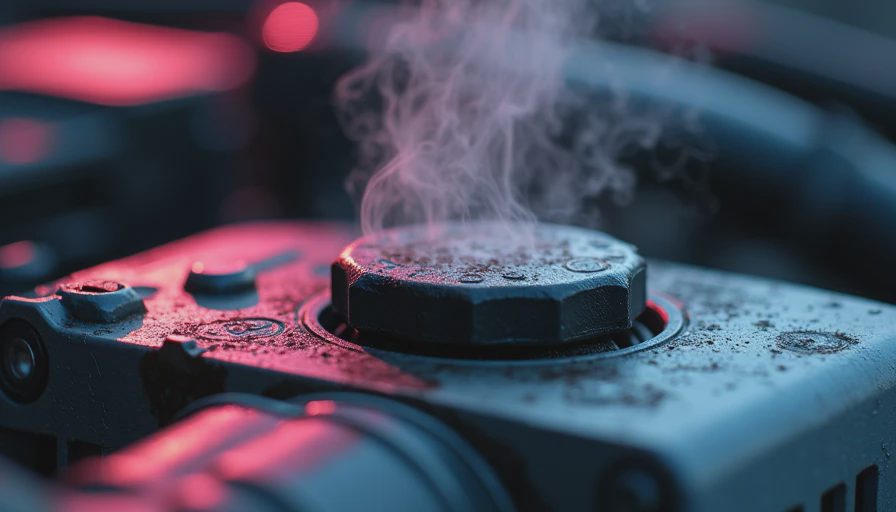
A car smells like burning oil after oil change can also be the result of oil that landed on the exhaust and never got wiped away. If you see smoke from under the hood, shut the engine off and let it cool. Do not reach near the manifold or catalytic converter with your bare hand. If the smell is only outside the car and disappears after a short drive, you may be dealing with cleanup rather than repair. If the smell gets stronger with the heater or vents on, the leak may be near a cowl, intake area, or another place where the HVAC system can pull fumes inward.
What the repair may actually cost
The bill depends on whether you are paying for cleanup or for a failed part. A basic synthetic oil change at a quick-lube shop, dealer, or independent garage often runs about $50 to $120, depending on the oil spec and filter brand. If the issue is just a loose drain plug, spilled oil, or a filter that needs to be reseated, the fix can be little more than a recheck and a wipe-down. A valve cover gasket repair, by contrast, often lands in the $200 to $500 range, and that can climb with labor on crowded engines. An oil pan gasket, drain plug repair, or filter housing seal can also push the total higher.
That is why it helps to separate a one-time smell from a continuing leak. A car smells like burning oil after oil change and then clears up after one day is annoying. A car that keeps dripping onto hot parts every time you drive is a repair bill waiting to happen. If you paid for the service recently, bring the receipt back to the shop and ask them to inspect the drain plug, filter, and surrounding components while the engine is still dirty enough to trace the source.
When you should park it and call for help
If you see smoke, notice a puddle under the car, or smell strong oil inside the cabin for more than a few minutes, park the vehicle. A low oil level can damage the engine quickly, and an external leak can also create a fire risk if it reaches hot exhaust parts. You should also stop driving if the oil pressure light comes on, the engine starts ticking, or the car begins to run rough. Those are not cosmetic symptoms; they are the kind that can turn a short errand into a tow bill and a much larger repair.
This is the point where roadside assistance earns its keep. If your auto policy includes towing and labor, or if you have the benefit through a credit card or membership program, use it before the problem grows. A tow usually costs less than replacing a damaged catalytic converter, sensor wiring, or an engine that ran too low on oil. If the shop who performed the service is nearby and the car is still safe to move a short distance, call first and let them know exactly what you are seeing and smelling.
How to keep it from happening again
The prevention story is simple, but it matters. Ask for the correct oil weight for your car, because the wrong spec can create noise, wear, or leaks on some engines. Make sure the filter is replaced with a new gasket and that the drain plug gets a fresh crush washer if your vehicle uses one. After the service, glance at the dipstick before you leave the lot or the driveway. It takes less than a minute and can catch an overfill before the heat cycle turns it into a smell.
A car smells like burning oil after oil change is also a reminder to treat the first 24 hours like a test drive. Keep the receipt, note the mileage, and pay attention to whether the odor fades or stays. If it stays, do not keep hoping it will magically clear on the next commute. The detail that made the trip easier was usually the same one that made the repair cheaper: a quick recheck before a small problem became a roadside story. If the smell lingers and you cannot trace it yourself, have a trusted shop inspect it the same day. That is the move that protects both the engine and your weekend plans.