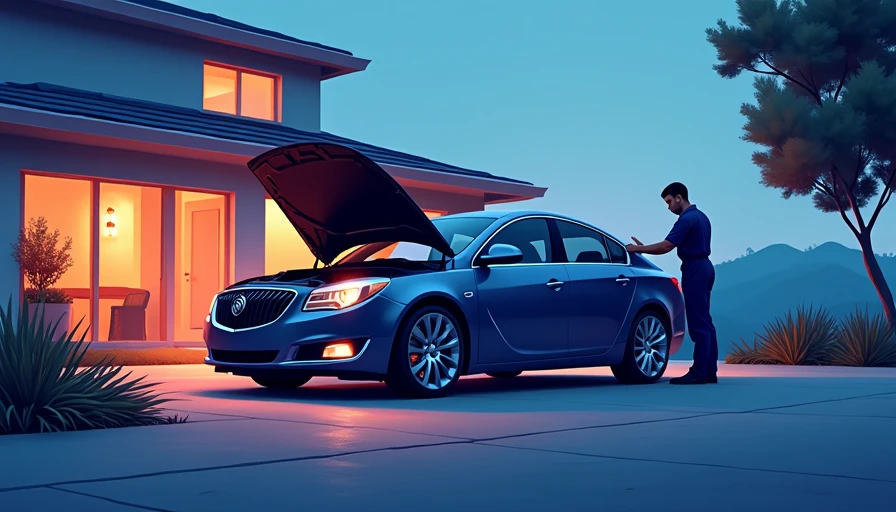
The first thing you notice in a Buick 3.8L V6 engine car is how unhurried it feels before you ever leave the curb. The idle has that low, even thrum that makes an old Buick seem more interested in getting you across town than impressing anyone at the stoplight. I still think of it as a warm-weather motel parking lot motor: the kind that smells faintly of sun-baked vinyl, coffee, and a little hot oil after a long interstate run. For shoppers who want a quiet, durable used sedan, the Buick 3.8L V6 engine earned its following for a reason.
Why it mattered for so long
This was one of General Motors' most familiar workhorse engines, and Buick used it in a long list of sedans and coupes that were meant to be easy to live with. The appeal was not drama. It was torque you could feel at everyday speeds, decent highway passing power, and a reputation for going a long time when coolant, oil, and basic tune-up items were kept on schedule. In a world of flashy badges and overcomplicated options packages, it offered something more practical: a calm car that did not punish you for putting miles on it.
That is why it became such a favorite for second owners and bargain hunters. A well-kept example can still feel surprisingly tight on a Sunday drive or a 400-mile highway slog, especially if the rest of the car has been cared for. The engines are best known in models like the Regal, LeSabre, Park Avenue, and Riviera, plus a few GM cousins that share the same bones. If you are shopping used, that shared parts ecosystem matters because it keeps repairs more approachable than they are on many European luxury sedans of the same era.
What the Buick 3.8L V6 engine feels like on the road
What you notice second, after the idle, is the way the car pulls away from a light without fuss. The throttle response is not sporty in the modern sense, but it is useful. Around town, the power comes on low in the rev range, which means you do not have to wring it out to merge or make a left turn across traffic. On the freeway, it settles into a relaxed rhythm that suits long stretches of pavement, whether that is I-5 through the Central Valley or a late-night run home after dinner.
The character is straightforward. It is not the engine for someone chasing a soundtrack. It is the engine for a driver who wants predictable behavior, easy passing power, and a car that seems content with routine. In the used-car market, that can be a virtue because the vehicle's personality stays accessible even as the odometer climbs.
What to inspect before you buy
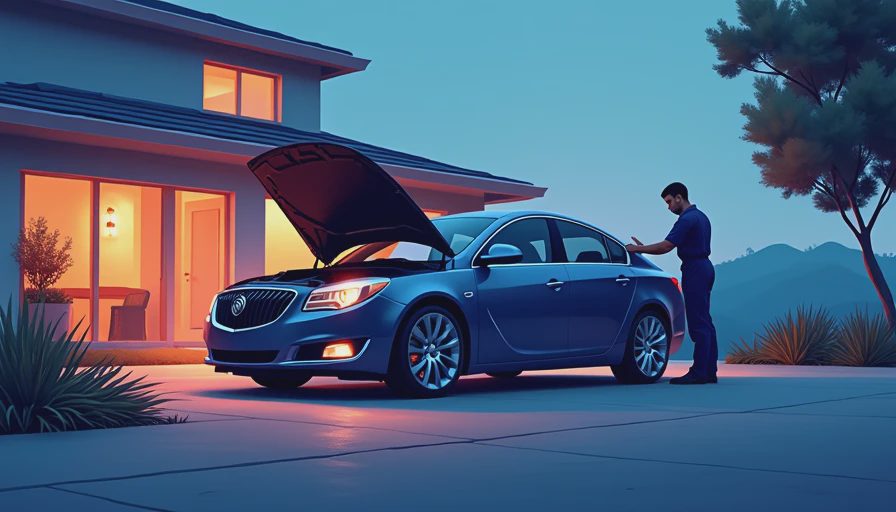
The core engine has a solid reputation, but age is never free. On older examples, the first places to check are cooling and intake-related parts. Coolant elbows can crack, intake gaskets can seep, and some engines from the Series II era had plastic upper intake issues that deserve a close look. If you see dried coolant around hoses, a sweet smell after shutdown, or unexplained temperature swings, do not treat those as cosmetic. They are the sort of warning signs that become towing bills if ignored.
I would also listen for rough cold starts, scan for misfire history, and pay attention to the transmission. In many of these cars, the engine outlasts the gearbox if the fluid was neglected. A car with 140,000 miles and a neat folder of receipts is often a better bet than a cleaner-looking example with no records at all. That is the detail that made the trip for me on more than one used-car hunt: the glove box packet that told the real story.
Maintenance that pays off
The good news is that routine upkeep is not exotic. Spark plugs, ignition components, belts, hoses, coolant service, and thermostat work are all standard independent-shop jobs, not specialist-only mysteries. Depending on labor rates, a cooling-system repair might land in the low hundreds, while plugs, coils, or a belt service can run a few hundred more. That is still real money, but it is manageable compared with the cost of chasing electronic gremlins in a newer luxury car.
If a Buick 3.8L V6 engine car has a clean service file, that's worth real money. I would rather buy the car with dated but consistent maintenance than the one with shiny paint and no paper trail. On a good example, the ownership math is simple: keep it cool, keep the fluids fresh, and avoid cheap parts when a genuine or quality aftermarket replacement makes more sense. That is how these cars rack up miles without turning every month into a repair drama.
Which models make the best case for it
If you want the easiest ownership experience, start with the mellow, well-optioned Buicks that were bought by older drivers and serviced accordingly. Park Avenue and LeSabre models often feel like the closest thing to a rolling reading room, with soft seats and relaxed gearing that suit highway travel. Regal models are a little more compact and easier to park in the city, which makes them appealing if your life includes tight garage ramps and street parking. Riviera examples can be lovely, but condition matters more because parts and trim can be more expensive when they need attention.
Shoppers sometimes cross-shop Pontiac Grand Prix and Chevy Impala examples with the same basic engine family because prices can be lower and the driving feel a little firmer. That can be a smart move if you want a more casual price point, especially when clean, road-ready cars often fall somewhere between $3,000 and $8,000 depending on mileage, trim, and condition. Supercharged versions add more punch, but they also deserve more careful inspection. Skip the obvious thing. Do this instead: buy the cleanest, best-documented car you can find, not the shiniest one on the first page of the listing site.
Who should still buy one today
This engine suits a buyer who values calm highway miles, relatively affordable parts, and a car that does not demand constant attention. It is a good fit for someone who likes to drive to a trailhead, a roadside diner, or a weekend visit without wondering whether the car will turn the trip into a story. It is less compelling if you want modern safety tech, strong fuel economy, or the latest infotainment screen. A newer car will beat it there, every time.
But for the right shopper, the Buick 3.8L V6 engine is still appealing because it turns up in cars that were built for real life, not just spec sheets. Find one with a clean cooling system, proof of regular maintenance, and a transmission that shifts without hesitation, and you may end up with a used car that feels far more expensive to own than to buy. A year later, what I still think about is how little attention a good one asks for, and how satisfying that can be on an ordinary drive home.