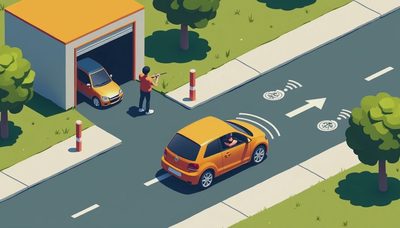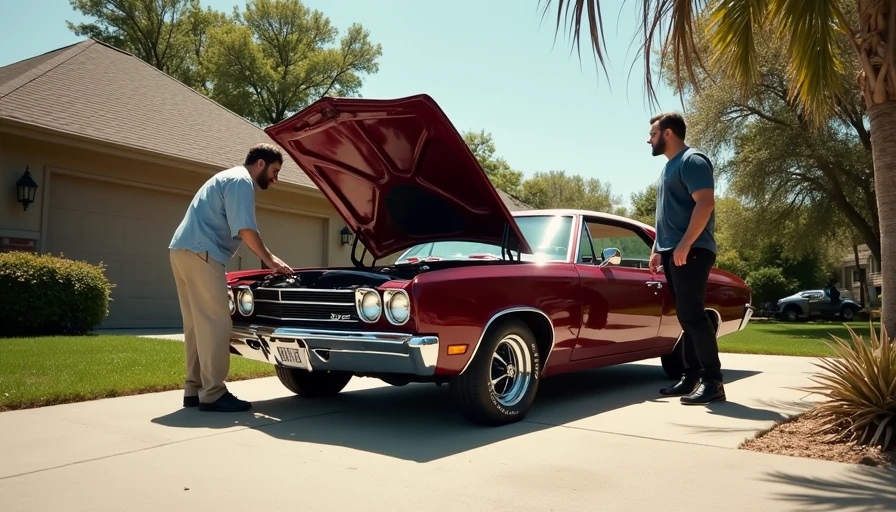
The first clue is usually the sound: a hot, steady engine bay with no soft electric whir after you park, then a needle climbing higher than it should on the dash. A broken radiator fan can turn an ordinary errand into a tense, shoulder-checking crawl toward the nearest exit. I have heard drivers describe it like a kettle starting to scream under the hood, which is a little dramatic and also exactly the point. When the fan stops doing its job, heat has nowhere to go, and the car starts reminding you in a hurry that cooling is not optional. If you know what the warning signs mean, you can often save the radiator, the head gasket, and a much larger repair bill.
How a broken radiator fan shows up on the road
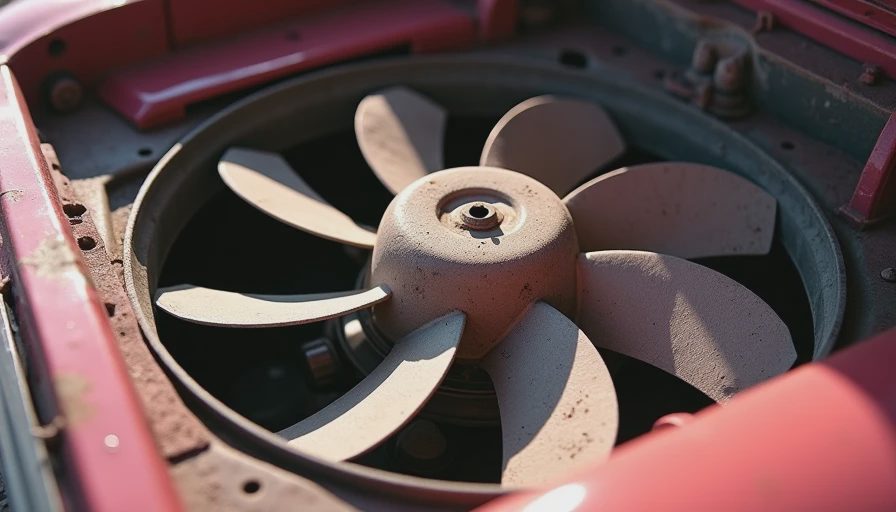
The most obvious sign is overheating at idle or in slow traffic. Many drivers notice the temperature gauge creeping up while sitting in a drive-through, waiting at a school pickup line, or inching through a summer traffic jam. At speed, air rushing through the grille can mask the problem, which is why a broken radiator fan often hides until the car is trapped in place. You may also hear a loud grinding noise, see the fan blades wobbling, or smell hot coolant after a short drive.
On some cars, the check engine light comes on because the engine control module sees a cooling issue or a fan circuit fault. If the fan is electric, the problem might be the motor, relay, fuse, wiring, or temperature sensor rather than the blades themselves. On older vehicles with a clutch fan, the clutch can fail and stop the fan from spinning with enough force. That distinction matters because diagnosis is cheaper when you know whether you are chasing a motor, a control signal, or a cracked plastic blade.
What usually causes the failure
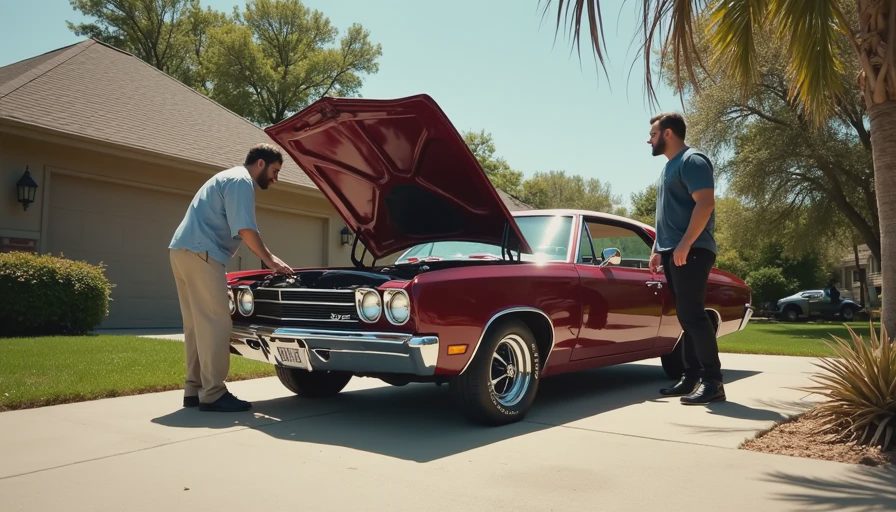
A broken radiator fan rarely happens for one reason alone. Heat, vibration, and age take a toll. Road debris can crack a blade. Corrosion can weaken connectors. A small oil leak can drip onto a fan motor and shorten its life. In colder climates, salt can attack the harness and ground points. In hotter regions, the fan may simply be working hard every day until the motor gives up.
The trouble can also start upstream. A bad coolant temperature sensor may keep the fan from kicking on. A blown fuse can look like a dead fan. A failing relay can interrupt power intermittently, which makes the problem maddening because the car seems fine one day and overheats the next. If the fan spins when the air conditioning is on but not when the engine gets hot, that is another clue that the control side needs attention. A smart mechanic will test the fan directly, inspect the relay and fuse box, and check for stored codes before replacing parts at random.
What repair bills usually look like
The cost of fixing a broken radiator fan depends on the car, the part, and how deep the diagnosis goes. A simple fuse or relay swap might run under $100 to $200. Replacing an electric fan motor or fan assembly often lands somewhere between $300 and $800 on common cars, though some European models and larger SUVs can climb higher once labor is included. If a shroud, wiring harness, or sensor is damaged too, the bill can move closer to four figures.
The expensive part is not always the fan itself. It is the risk of what happens if you keep driving. Overheating can warp a cylinder head, damage hoses, boil coolant, or ruin the radiator cap and expansion tank. That is why a tow and a quick diagnosis are usually cheaper than gambling on one more trip across town. If your car has already overheated, ask the shop to pressure test the cooling system and inspect for leaks before they hand back a parts estimate.
When insurance helps and when it does not
This is where many drivers hope a broken radiator fan will be treated like any other car problem. Usually, it will not. Auto insurance generally does not cover mechanical failure or routine wear and tear. If the fan motor wears out, the relay dies, or the blade cracks from age, that is maintenance, not an insurable loss.
There are a few exceptions worth knowing. If the fan was damaged in a covered collision, a falling object, vandalism, or another covered physical damage event, comprehensive or collision coverage may help pay for the related repair. If the overheating led to a tow, roadside assistance benefits may cover that part of the trip. Some extended warranties or mechanical breakdown coverage can also help, depending on the contract. The cleanest way to think about it is this: the broken radiator fan itself is usually on you, but damage caused by a covered event can be a different story.
What to do before the engine gets too hot
If the temperature needle spikes, pull over safely and shut the engine off. Do not keep driving just because the car still feels “sort of okay.” Turn off the air conditioning, and if you are in moving traffic, look for a safe place to stop rather than trying to nurse it home. Once the engine cools, check the coolant reservoir only if the manual says it is safe to do so; never open a hot radiator cap. If you see steam, leaking coolant, or a burnt electrical smell, call for a tow.
Then get a repair estimate that separates diagnosis from parts. A good shop should tell you whether the fan motor, relay, fuse, sensor, or wiring is at fault. If the car is newer, ask whether the cooling system has stored codes that point to the problem. If the repair is modest, fixing it quickly protects the engine and preserves resale value. If the estimate is large, compare it with the car’s age, mileage, and market value before you commit.
A quick checklist for the next time the gauge rises
A broken radiator fan is one of those problems that feels small until the temperature needle says otherwise. Watch for these signs: overheating in traffic, a fan that never kicks on, grinding or wobbling behind the grille, coolant smell after shutdown, and warning lights that appear alongside heat. The detail that made the trip: most drivers notice the failure first at a stoplight, not on the highway.
If you want to avoid a worse repair later, treat the warning as a deadline, not a suggestion. A tow, a relay, or a fan motor is usually far cheaper than a warped engine. And if you are reviewing insurance after the fact, focus on what caused the damage. That is the line between ordinary maintenance and a claim that might actually go somewhere. A broken radiator fan is rarely glamorous, but catching it early is the difference between a quick shop visit and a road trip that ends on the shoulder.