The first thing I noticed was the sound: tires humming over open pavement while a freight train moved somewhere beyond the cottonwood trees. A Route 66 road trip is less about racing from Chicago to Santa Monica than learning how to leave room for the unexpected. The historic highway crosses Illinois, Missouri, Kansas, Oklahoma, Texas, New Mexico, Arizona, and California, with old alignments appearing and disappearing beside modern highways. You will drive through cities, desert, prairie, and mountains, often in the same week.
The classic route is roughly 2,400 miles, although your actual trip will be longer once you add detours, viewpoints, meals, and the occasional wrong turn. Plan at least two weeks for a comfortable crossing. Ten days can work if you choose a few anchor stops, but three weeks gives you time to slow down in places such as Santa Fe, Flagstaff, or Oklahoma City.
Choose your pace, car, and starting point
Chicago is the traditional eastern starting point, while Santa Monica marks the western end most travelers recognize. You do not need to drive the entire route to have a memorable trip. A shorter section from St. Louis to Oklahoma City offers neon signs, small-town main streets, and plenty of classic roadside architecture. The Arizona and California stretch brings desert scenery, mountain passes, and some of the most recognizable surviving stretches of pavement.
For a full Route 66 road trip, choose a vehicle that makes long days pleasant rather than merely fashionable. A Subaru Outback, Toyota RAV4, Honda CR-V, or Ford Bronco Sport gives you comfortable seating, useful cargo space, and enough clearance for rough pull-offs. A classic Mustang or vintage Chevrolet is wonderful for photographs, but older cars require more preparation. Before leaving, inspect tires, brakes, belts, fluids, battery condition, and the spare. Download offline maps because cell service can disappear between towns.
Your insurance deserves the same preparation. Confirm that your policy includes liability coverage for every state you will visit, and carry proof of insurance in the vehicle. Comprehensive and collision coverage can help with theft, weather damage, and crash repairs when those coverages apply. If you rent a car, compare the rental company’s damage waiver with your existing policy and credit card benefits before declining anything. A five-minute call can prevent an expensive surprise at the counter.
The stops that make the miles matter
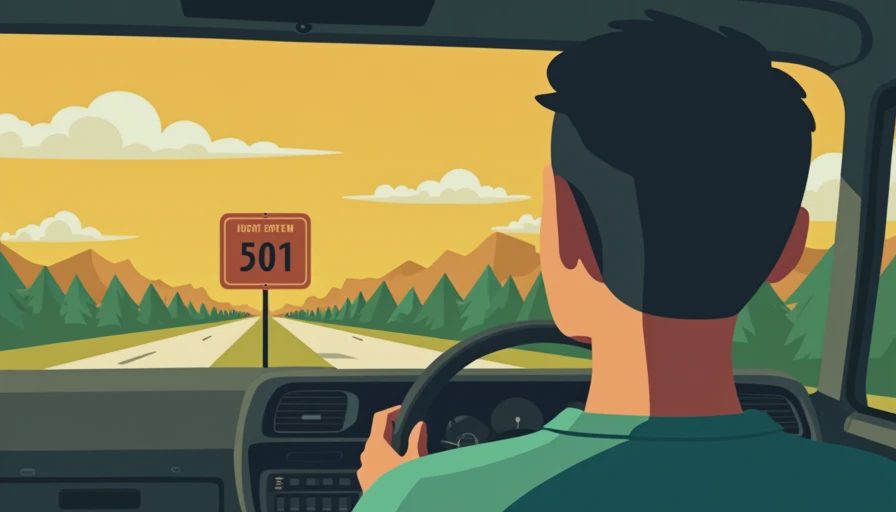
The detail that made the trip: the best stops are rarely the ones that demand a full afternoon. In Illinois, look for preserved downtowns and the kind of independent cafes where coffee arrives in a thick ceramic mug. St. Louis is a natural pause for architecture, barbecue, and a reset before the road narrows through Missouri and Kansas.
Kansas contains one of the shortest sections of the original highway, but it is easy to appreciate when you treat it as a small historic detour rather than a major destination. Oklahoma rewards a slower itinerary with roadside museums, vintage gas stations, and a strong connection to the highway’s working-class history. In Texas, the landscape opens dramatically around Amarillo. The city is a practical overnight stop, while nearby roadside attractions offer the sort of oversized, wonderfully strange photo opportunities that make a Route 66 road trip feel unlike an ordinary interstate drive.
New Mexico changes the mood. The high desert light is sharper, the buildings take on warmer colors, and Santa Fe makes an excellent food-focused extension. Order a meal built around local chile, but ask how it is prepared before committing to the hotter option. Farther west, Gallup and Holbrook provide useful breaks before you reach Petrified Forest National Park and the painted desert country of Arizona. Check park hours and road conditions before setting out; desert distances can make a closed entrance a serious detour.
Build a food itinerary, not just a mileage plan
A road trip becomes more memorable when meals have a place on the map. Keep breakfast simple on driving days: eggs, toast, fruit, and strong coffee are more useful than a long tasting menu when you have 250 miles ahead. Save one dinner every few nights for a destination restaurant, then balance it with a bakery, roadside stand, or family-run diner the next morning.
Regional specialties give the route its flavor. Missouri and Oklahoma are natural places to seek barbecue, while Texas brings its own brisket traditions and roadside taco culture. New Mexico is the moment for red or green chile. In Arizona, plan for hydration and an earlier dinner if you are driving through exposed desert. I use a notes app to record the place, the dish, and whether I would return; after several days, the list becomes a better souvenir than another stack of receipts.
Skip the obvious thing when the parking lot is packed. Do this instead: ask a bookstore clerk, hotel desk worker, or gas station cashier where they would eat on a Tuesday night. The answer is not always glamorous, but it is often more useful than a search result built around a photo. Never treat a restaurant name as a guarantee of quality, and check current hours before adding a specific stop to a tight schedule.
Protect the trip before the odometer climbs
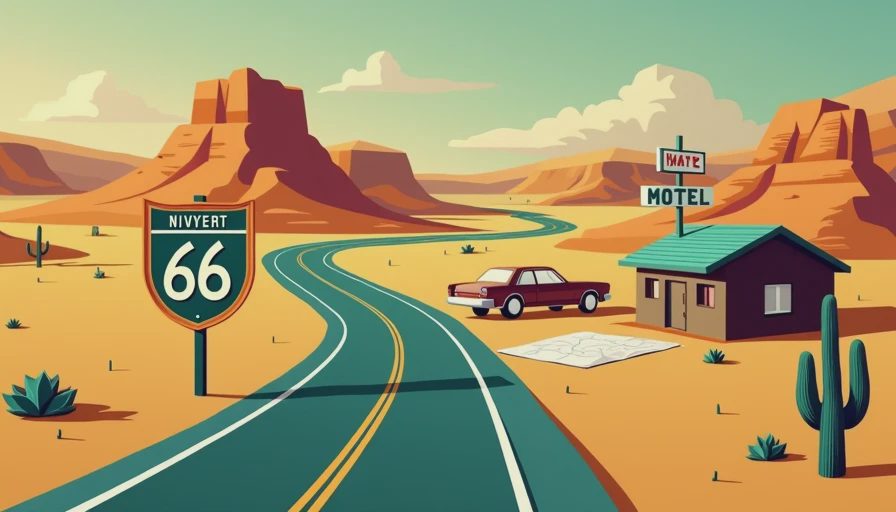
Insurance planning is not exciting, but it belongs beside your packing list. Start by checking your liability limits. Minimum legal limits can leave you financially exposed after a serious collision, especially on a long trip with multiple passengers. Many drivers choose higher bodily injury and property damage limits for broader protection, although the right amount depends on finances and state rules.
Ask whether roadside assistance is included and what it covers. Some plans pay for towing, a jump-start, a flat-tire change, or fuel delivery, but limits can apply to distance or the number of service calls. If you are traveling in a classic car, confirm whether the policy uses agreed value, stated amount, or actual cash value. Those terms can produce very different claim outcomes.
A Route 66 road trip also creates opportunities for weather damage, theft, and windshield claims. Comprehensive coverage generally addresses non-collision losses such as hail, theft, falling objects, and some animal strikes, subject to your deductible. Collision coverage generally applies when your vehicle hits another vehicle or object, also subject to a deductible. Photograph the vehicle before departure, store policy documents offline, and keep an emergency fund for expenses an insurer might not reimburse immediately.
Get quotes before the trip if your current premium feels high. Comparing Geico, Progressive, State Farm, Allstate, and regional carriers can reveal differences in roadside options, rental reimbursement, deductibles, and discounts. Bundling policies, paying in full, maintaining a clean driving record, and using a telematics program can sometimes reduce premiums, but compare coverage limits rather than choosing the cheapest monthly number.
A practical daily rhythm
Aim for four to six driving hours on most days. That leaves time for photographs, a museum, a long lunch, and the inevitable ten-minute stop that becomes forty-five. Start early in the desert, when temperatures are lower and light is better. Keep water, snacks, a paper map, a phone battery pack, sunscreen, and a basic first-aid kit within reach rather than buried in luggage.
A useful morning checklist is simple: check fuel, tire pressure, weather, road closures, and the next reliable place to stop. Do not let the tank fall too low in remote stretches. If you are sharing the driving, agree on breaks before fatigue becomes an argument. Pull over whenever concentration drops; a motel bill is cheaper than a tired-driver mistake.
The best Route 66 road trip itinerary has structure without becoming a performance. Reserve lodging in major towns during busy seasons, but leave one flexible night if you can. That open space lets you stay longer when a town surprises you or move on when the roadside attraction is less compelling than advertised.
What you will remember
A year later, what I still think about is not the number of states crossed. It is the smell of hot pavement after a brief storm, the blue glow of an old motel sign, and a plate of chile eaten slowly because there was nowhere else to be. That is the real gift of a Route 66 road trip: it turns distance into texture.
Before you leave, compare auto insurance quotes, verify your roadside benefits, service the car, and save offline directions. Then choose a starting point, mark a few meaningful stops, and leave enough room for the road to edit your plans. Drive attentively, spend locally, and let the route unfold at a human speed. The highway is not a checklist. It is a conversation between the car, the landscape, and the people waiting at the next counter.