The first thing you notice is usually the smell: wood smoke, toasted spices, warm sugar, or garlic drifting across a parking lot before you have even found the entrance. food festivals 2025 are a good excuse to turn an ordinary weekend into a proper road trip, especially when the route matters almost as much as the plate at the end. I like planning these journeys around a drive of two to five hours, with enough time for one scenic stop and no obligation to hurry home.
The best festivals reward curiosity rather than aggressive scheduling. You might arrive looking for one famous dish and leave thinking about a small producer, a regional ingredient, or the cook who explained why a sauce belongs on the side. Before choosing an event, consider the season, the vehicle, and the kind of day you want: a crowded urban tasting, a waterfront celebration, or a county-fair-style gathering with room to wander.
Choosing food festivals 2025 by region and driving style
New England makes a natural destination for seafood-focused weekends, with established events such as the Maine Lobster Festival offering a strong reason to point a car toward the coast. The Pacific Northwest is a better match for travelers who want farmers market energy, wine-country scenery, and a cooler evening drive. In the Midwest, Taste of Chicago and similar city events pair food with museums, architecture, and neighborhoods worth exploring on foot.
The South brings barbecue, Gulf seafood, hot sauces, and long-running community festivals. New Orleans, Austin, Charleston, and Memphis can all support a full weekend rather than a quick stop, but urban traffic changes the driving equation. Leave the car at the hotel or a remote parking lot once you arrive. In smaller towns, a crossover such as a Subaru Outback or Toyota RAV4 makes it easier to carry a cooler, folding chairs, and a few carefully packed purchases without turning the cabin into a pantry.
For food festivals 2025, I would start with geography, not a ranking. Pick a destination within a comfortable tank of fuel, then look for a route with a compelling landscape. A coastal highway, vineyard road, or historic downtown can give the trip a second act when the lines at the festival are longer than expected.
How to plan the drive without losing the day
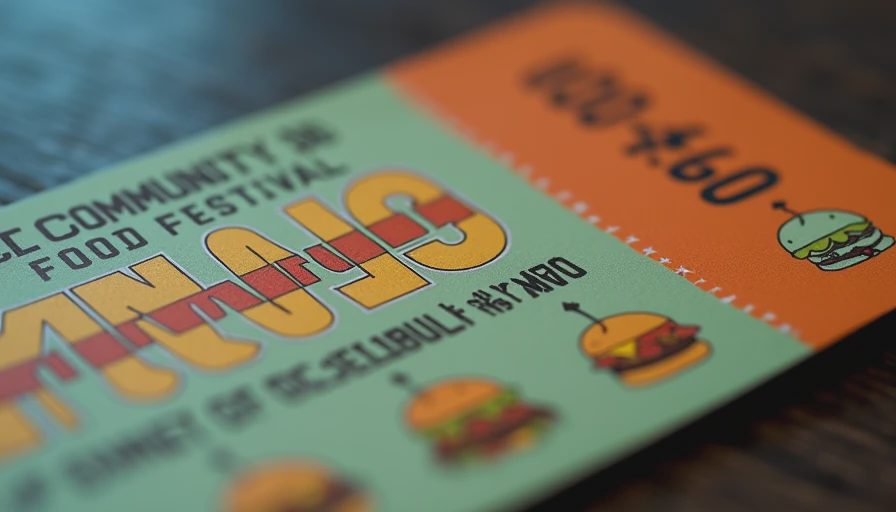
Read the festival's official schedule before leaving. Arrival windows, ticketed tastings, shuttle arrangements, and bag policies can change from one year to the next. Some events are primarily walk-up markets; others use timed entry or separate tickets for demonstrations. Save the confirmation email offline, since cell service can become unreliable when thousands of people gather in one place.
Build in a buffer of at least 45 minutes for parking and walking to the gates. That sounds excessive until you are circling a fairground with a hungry passenger and a cooler melting in the back. A full tank is helpful, but so is knowing the next reliable fuel stop. In an electric vehicle, identify charging locations near the overnight stay rather than assuming the festival lot has chargers. A level-two charge at a hotel can make the return trip far less stressful.
I also pack a washable tote, a small insulated bag, water, sunscreen, hand sanitizer, and a phone battery. Wear shoes that can handle gravel and grass. If you plan to buy jam, cheese, smoked meat, or baked goods, ask vendors how they recommend transporting the item. A $20 insulated bag can protect a $70 haul from becoming an expensive lesson.
What to budget for food festivals 2025
Entry prices vary widely, but a realistic day-trip budget often includes $25 to $60 for admission, $40 to $100 per person for tasting portions and drinks, $15 to $40 for parking or transportation, and extra money for products to take home. Premium tastings can push the total higher, particularly when alcohol is included. Check whether admission covers samples or simply gets you through the gate; those are very different experiences.
Bring a payment card and a little cash. Many vendors accept cards, but a busy network can slow transactions at the exact moment you want to buy one last pastry. Split purchases into two categories: food to eat immediately and food that needs a safe ride home. Taking a photograph of a vendor's sign before walking away is a simple way to remember what you bought, especially when several sauces begin to look alike.
The smart luxury is not buying everything. Leave room for one memorable plate, one drink, and one thoughtful souvenir. A jar of local honey or a bag of regional coffee can extend the trip for weeks, while six impulse purchases usually become clutter.
The vehicle matters more than you think
A festival road trip exposes the small weaknesses in a car. Limited cargo space, poor phone storage, or a low ground clearance can become irritating after a long day. A midsize SUV gives you flexibility, but a sedan is perfectly comfortable when the route is mostly highway and the parking situation is known. Before departure, check tire pressure, windshield washer fluid, and the spare or tire-repair kit.
Do not place hot food directly beside groceries, luggage, or a laptop. Use a cooler with ice packs and keep it upright. If you are driving a convertible, enjoy the open-air route before the festival, then put the roof up when carrying food. The best festival memory should not include barbecue sauce on the upholstery.
For food festivals 2025, the ideal vehicle is simply the one that makes the entire route easy. Cruise control, supportive seats, and predictable fuel costs matter more than a dramatic badge. On unfamiliar roads, use a navigation app for traffic but keep a printed address or saved map as backup.
A better way to spend festival day
Arrive early enough to walk the perimeter before committing to a line. Look for vendors serving something distinctive rather than a dish you could easily order at home. If a chef is offering a small portion, ask what makes it different. That short conversation often leads to the most memorable bite of the day.
Share plates with your travel companion. You will taste more, waste less, and avoid the heavy feeling that makes the drive back unpleasant. Take a quiet break every hour or so, even if it is only ten minutes under a tree or beside the car. Food festivals are sensory marathons, and a pause helps you notice what you have actually enjoyed.
For food festivals 2025, leave the final hour unscheduled. Wander, revisit one favorite stand, and buy only what you can carry comfortably. Here's what you smell first, what you notice second, and what you'll remember a year from now: usually not the longest line, but the meal that made the road home feel like part of the celebration.
Turning one event into a complete getaway
Reserve lodging early if the festival is in a small town or a popular coastal destination. A room within walking distance is worth paying a little more for when it eliminates late-night driving after tastings. For a larger city, compare hotel parking fees with a property near public transportation. The cheapest room can become expensive once parking and rideshares are added.
Build a second morning around the region's ordinary food culture: a bakery, farmers market, diner, or coffee shop selected after asking a local for one recommendation. That gives the trip texture beyond the official event. Review the return route before breakfast, and pack delicate purchases last so they are not crushed under overnight bags.
The most satisfying food festivals 2025 itinerary is not a frantic checklist. It is a well-paced loop: a beautiful drive, a generous afternoon, and a safe ride home with a few flavors tucked into the cooler. Choose the event, check the details, prepare the car, and let the road provide the space between bites.