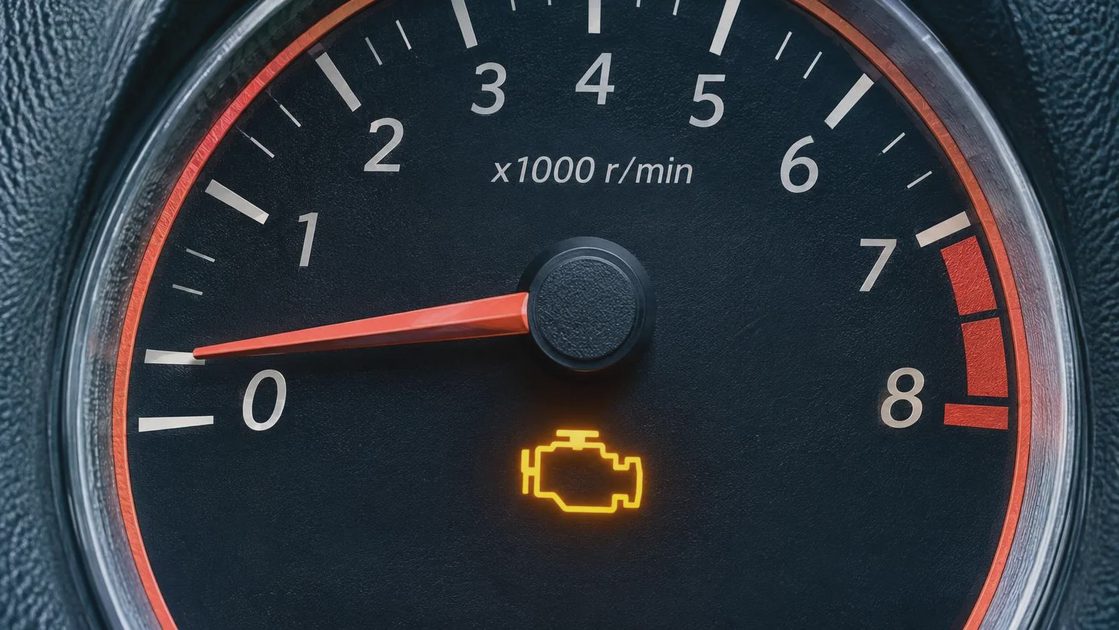
The coffee is still warm in the cupholder when the check engine light appears, and suddenly that quiet stretch of highway feels less relaxing. First, look at the light: if it is flashing, ease off the accelerator, avoid hard driving, and pull over somewhere safe as soon as practical. A flashing light can signal a misfire that may damage the catalytic converter; arrange a tow or get professional guidance before continuing. If the light is steady and the car feels normal, a short, gentle drive to a repair shop is often reasonable, but get it checked promptly.
First, check how the car is behaving
A steady warning is not a promise that everything is fine. If the engine is shaking, power drops noticeably, you smell fuel, see smoke, or the temperature gauge climbs into the hot range, find a safe place to stop and shut the engine off. An oil-pressure warning or an overheating warning deserves immediate attention too; don't treat either as just another version of the engine light.
If you smell fuel or see smoke, move away from the vehicle and call for help. Never open a hot radiator cap, and don't stand beside traffic while you investigate. On a busy road, getting yourself and any passengers to a safer location matters more than peering under the hood.
For a steady check engine light with no obvious symptoms, note when it appeared and whether anything changed just beforehand: a fuel stop, a rough start, or a long climb. That context gives a technician a useful starting point. Avoid a long road trip or towing a trailer until you know what caused the warning.
Could it be the gas cap?
It could, especially if the light appeared after refueling. On a vehicle with a removable gas cap, pull over safely, turn off the engine, and check that the cap is seated and tightened according to the owner's manual. Look for an obvious crack or damaged seal. Some vehicles have capless fuel systems, so there's no cap to tighten; don't poke tools into the filler opening.
A loose cap can allow a leak in the fuel-vapor control system, which may trigger a check engine light. Tightening it will not necessarily turn the light off immediately. The car may need several normal driving cycles to complete its checks, and a damaged cap or another leak may still need attention. If the light stays on, have the fault codes read rather than assuming the cap was the whole story.
What the diagnostic code actually tells you
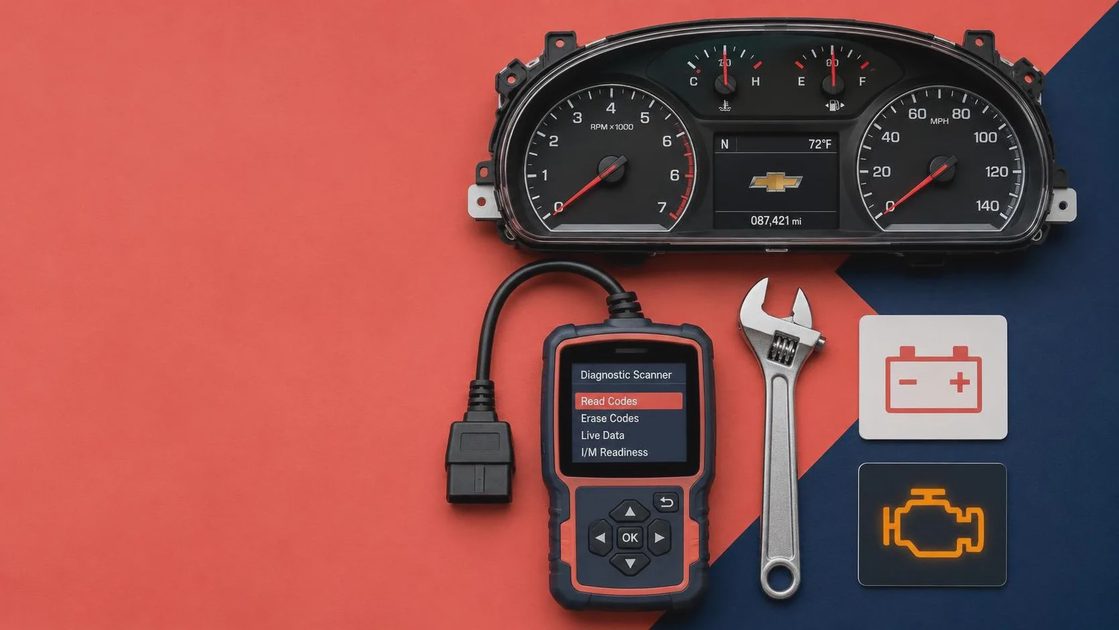
A shop can connect a scanner to the vehicle's onboard diagnostic port and retrieve stored trouble codes. Many auto-parts stores also offer code reading, though availability and policies vary. For most cars sold in the United States from the 1996 model year onward, an OBD-II reader can access standard emissions-related codes. The port is generally under the dashboard; your owner's manual can help you locate it.
A code is a clue, not a parts order. For example, P0300 points to a random or multiple-cylinder misfire, but the underlying cause could involve ignition, fuel delivery, or something else. An oxygen-sensor-related code does not automatically mean the sensor itself needs replacing. Ask for the exact code, including the letter and numbers, and keep a copy before any work begins.
A technician may also check freeze-frame data, which records certain operating conditions around the time a fault was detected. That can help distinguish a problem that shows up on a cold start from one that appears under load. Diagnosis may require more than plugging in a scanner, so ask about the diagnostic charge and what it covers before authorizing the work.
Should you clear the check engine light?
Not as a first move. Clearing codes can erase useful diagnostic information and may temporarily switch off the warning without fixing its cause. It can also reset emissions-readiness monitors, which may leave the vehicle unready for an inspection until it completes the required checks.
If the light goes out on its own, make a note of the date and any symptoms anyway. An intermittent fault may leave a stored or pending code, and that history can be helpful if the warning returns. If a shop recommends a repair, ask how the diagnosis connects the code to the proposed fix and whether it will verify the repair afterward.
How to handle it on a road trip
A check engine light doesn't have to erase the weekend, but it should change the itinerary. If it's steady and the vehicle drives normally, look for a nearby qualified repair shop rather than pushing into a remote stretch with limited cell service. Call ahead, describe the light and any symptoms, and ask whether the shop can diagnose the vehicle. If the light starts flashing or the car begins running poorly, stop safely and reassess rather than trying to make the next reservation.
Keep your roadside-assistance number and vehicle information handy. If a tow is needed, ask the provider where the vehicle will be taken and whether passengers can ride along; arrangements vary. For a rental, contact the rental company's roadside number and follow its instructions rather than authorizing repairs yourself.
Before leaving the shop, ask what was found, what work was performed, and whether any follow-up is needed. A short delay near a town with services is a much better souvenir than an avoidable breakdown miles from dinner.