The first thing you notice is often not the paint or the badge. It is the small stuff: a sticky button, a warning light that lingers a second too long, the feeling that a used-car deal is just a little too smooth. That is why a **toyota vin recall check** matters before a purchase, before a road trip, and honestly before you settle into everyday driving. A VIN search is one of the fastest ways to see whether a Toyota has an open safety recall that still needs attention, and it takes less time than ordering coffee at a highway stop.
What a Toyota VIN recall check actually tells you
A vehicle identification number, or VIN, is the 17-character code tied to one specific vehicle. When you run a **toyota vin recall check**, you are not getting a generic model-year summary. You are checking that exact Corolla, RAV4, Camry, Tacoma, Highlander, Prius, or 4Runner for open safety recalls that have not been completed.
That distinction matters. A model might have had a recall years ago, but the repair could already be done on the vehicle you are looking at. On the flip side, a clean-looking used Toyota on a dealer lot or in a driveway listing can still have an open recall if the previous owner never brought it in.
In practical terms, the VIN lookup helps answer three simple questions: Is there an active safety recall, what component is involved, and has the fix already been completed? If there is an open recall, Toyota dealers typically perform the recall repair at no charge. That can mean anything from a software update to replacing a part tied to braking, airbags, fuel systems, or electrical equipment.
Where to run the check and what to have ready
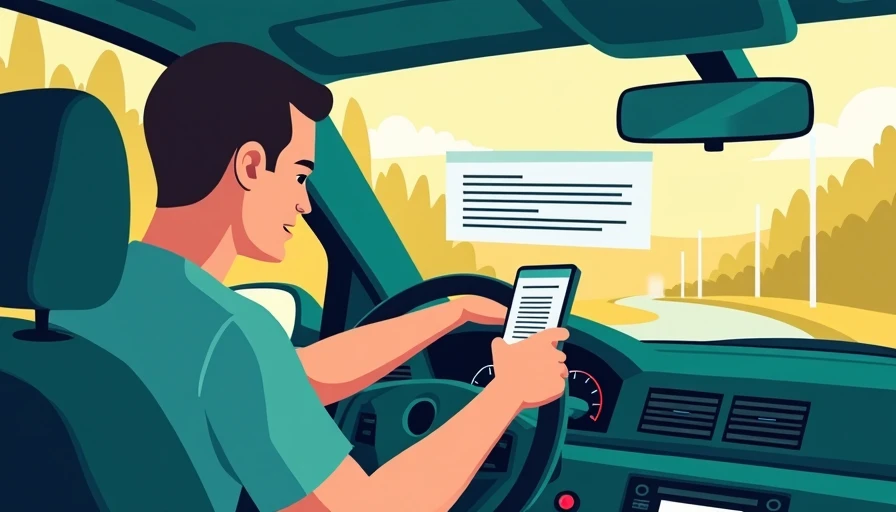
Skip the obvious thing. Do this instead: run the VIN in more than one trusted place if you are shopping used. Start with Toyota's official recall lookup page, then confirm through the National Highway Traffic Safety Administration recall tool. Both are straightforward, and both rely on the VIN rather than a plate number or seller description.
You will usually find the VIN at the lower corner of the windshield on the driver's side, on the driver's door jamb sticker, on the registration, and on the insurance card. Match those numbers. If the windshield VIN and paperwork do not line up, pause everything.
This is also a good moment to ask the seller for service records. A completed recall may show up on a dealer invoice even if the owner barely remembers it. If you are buying from a private party, build the **toyota vin recall check** into your normal routine alongside a history report, test drive, and pre-purchase inspection. It is not glamorous, but it is one of the smarter five-minute habits in car shopping.
What to do if your Toyota shows an open recall
If your results show an open recall, do not panic. A recall does not automatically mean the car is unsafe to move across town or that you should walk away from a deal. It does mean you should read the recall summary carefully and schedule the remedy as soon as possible.
Here is what you smell first, what you notice second, and what you'll remember a year from now: the peace of mind that comes from handling a problem before it becomes a roadside story. Call a Toyota dealer service department with the VIN ready. Ask whether parts are in stock, how long the repair usually takes, and whether a loaner or shuttle is available. Larger metro dealers often move faster on common recall work because they see more volume.
If you are negotiating on a used Toyota, an open recall can be leverage. Ask the seller to complete the repair before delivery, or use the inconvenience to support a lower purchase price. Either way, do not treat the recall as background noise. Open recalls affect resale confidence, trip planning, and how comfortable you feel handing the keys to a partner or teen driver.
Why recall checks matter even on reliable Toyotas
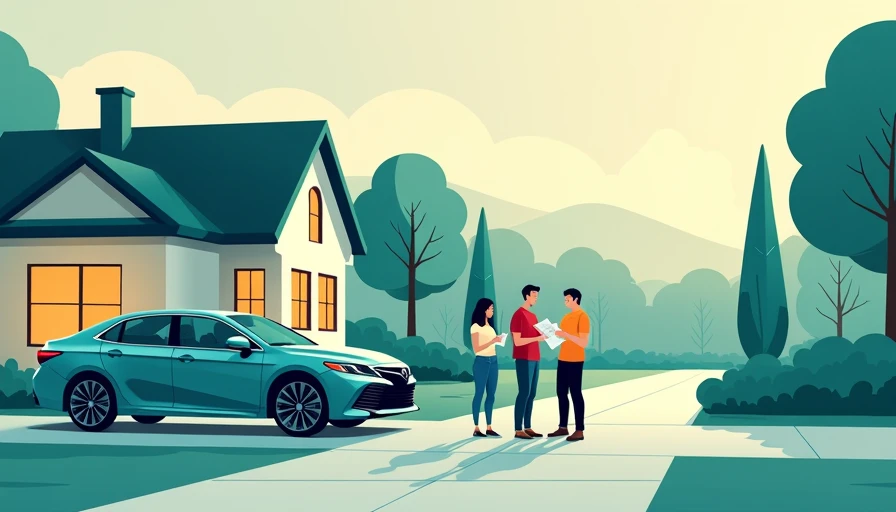
Toyota has earned a reputation for long-term durability, and in many cases that reputation is deserved. That is exactly why drivers sometimes get casual about recall checks. Reliability and recalls are not opposites. A dependable vehicle can still need a safety fix.
I think about this the same way I think about packing for a weekend drive up the coast: the route can be beautiful and the car can be excellent, but one overlooked detail changes the whole mood. An unresolved airbag issue, faulty fuel pump concern, or software-related problem is not something to leave for later because the engine still feels smooth.
A **toyota vin recall check** is especially important if the car has changed hands a few times, sat unused, or was serviced outside the dealer network. Some owners miss mailed recall notices after a move. Others ignore them because the vehicle seems fine. The detail that made the trip, in this case, is simple: a two-minute search before a long drive can save you from learning about a safety campaign after a dashboard surprise.
Smart timing: when to check and how often
If you own the vehicle already, run a **toyota vin recall check** a few times a year and before any major road trip. New recalls can be announced long after a car is sold, and older vehicles are not exempt. If you are buying used, check before you put down a deposit and again right before final paperwork, especially if weeks have passed.
For households with more than one vehicle, keep a note in your phone with each VIN. It sounds a little obsessive, but it is the kind of practical system that pays off later. If you are comparing insurance quotes, scheduling tire service, or planning a family drive, having the VIN handy makes everything easier.
And yes, this is a safety step, but it also supports the money side of ownership. A car with completed recall work is easier to sell, easier to insure confidently, and easier to trust. If you are evaluating total ownership costs, remember that recall repairs are generally handled free through the manufacturer, which makes this one of the few high-value fixes that usually does not hit your wallet directly.
Final takeaway before you buy, insure, or head out
A **toyota vin recall check** is not dramatic, and that is the point. It is quiet, fast, and incredibly useful. Before you compare insurance rates, sign used-car paperwork, or load the cargo area for a weekend escape, run the VIN and see what is open. Then act on what you find.
A year later, what I still think about is never the extra three minutes spent checking a VIN. It is the avoidable hassle that those three minutes can prevent. If your Toyota has an open recall, book the repair now, keep documentation for your records, and move forward knowing the basics are covered. That is not just smart ownership. It is the kind of detail that makes every mile feel better.