The sound is familiar: door shuts, coffee lands in the cupholder, phone connects, and the day begins before the engine is fully awake. That routine is exactly why a **Honda recall by VIN** search matters. It takes a minute, costs nothing, and can tell you whether your Accord, CR-V, Civic, Pilot, or Odyssey has an open safety recall that still needs attention. If you road-trip, commute, or hand the keys to a teen driver, this is one of those small maintenance habits that pays off in real peace of mind.
Here’s what you smell first, what you notice second, and what you’ll remember a year from now: the smell is warm upholstery on a sunny morning, the second thing is how easy modern cars make us feel, and what you remember later is whether you handled the simple stuff before it became stressful. A recall is not the same thing as routine wear. It is a manufacturer-identified safety problem or compliance issue, and when there is an open recall, the repair is typically performed at no charge by an authorized dealer.
What a Honda recall by VIN search actually tells you
A **Honda recall by VIN** lookup uses your vehicle identification number, the 17-character code tied to your exact vehicle, not just the model line. That matters because recalls often affect certain production dates, trim levels, engine combinations, or factory batches rather than every Honda on the road. Searching by VIN is more precise than guessing based on year and model alone.
When you run the check, you are usually looking for open recalls that have not yet been completed. The result may show no open recalls, one active recall, or multiple service campaigns. In many cases, you will also see a short description of the issue and whether parts are available. Common recall categories can involve airbags, fuel pumps, steering components, seat belts, backup cameras, software, or electrical systems.
If you are shopping used, this is one of the smartest five-minute checks you can do before committing. It helps you spot whether a seller has kept up with safety work, and it gives you a clean question to ask: has this recall been repaired, and do you have the service record?
Where to check your Honda VIN and get reliable recall results
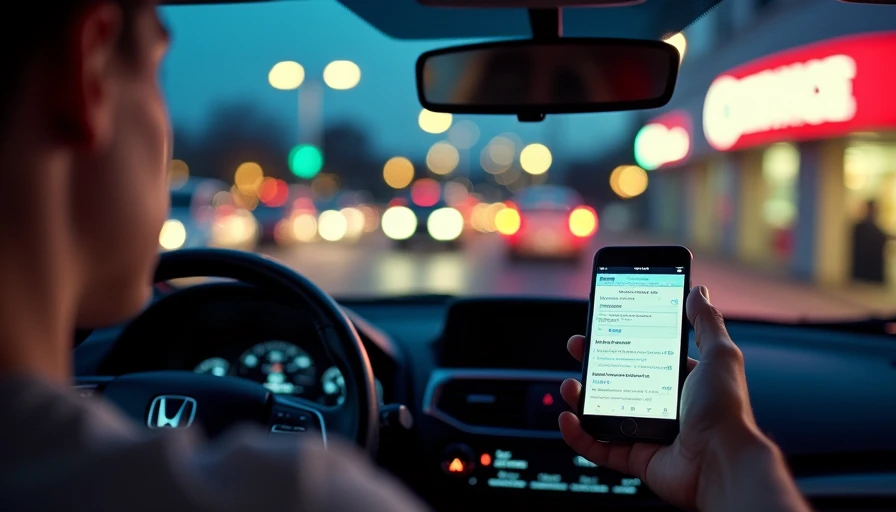
Skip the obvious thing. Do this instead: use official or well-established sources first. Start with Honda’s recall lookup page, where you can enter the VIN directly. You can also check the National Highway Traffic Safety Administration recall database, which lets drivers search by VIN and review open safety recalls across brands. Both are useful, and together they give you a clearer picture.
Finding the VIN is simple once you know where to look. Check the lower driver-side corner of the windshield, the sticker inside the driver-side door jamb, your registration, or your insurance card. Since this is an auto insurance landing page, it is worth noting that your insurer often already has the VIN on file, but a **Honda recall by VIN** check still needs to be done through a recall tool, not your insurance portal.
If you are comparing providers like Geico, Progressive, State Farm, or Allstate while reviewing your car paperwork, this is a good moment to handle both tasks. A safe, well-maintained vehicle can support smoother ownership overall, and keeping recall repairs current can help avoid bigger out-of-pocket problems later, even though recalls themselves are generally repaired free of charge.
What to do if your Honda shows an open recall
If your search returns an open recall, do not panic and do not ignore it. Read the description carefully. Some recalls are urgent stop-drive situations, but most are handled through scheduled dealer service. Call a local Honda dealer, give them your VIN, and ask three practical questions: are parts available, how long will the repair take, and is a loaner or shuttle offered?
This is where a little planning saves the day. If you rely on your car for work, school runs, or weekend drives out of town, aim for a weekday appointment and ask whether the dealer can combine recall work with an oil change, tire rotation, or brake inspection. That turns an inconvenience into one efficient service stop.
A year later, what I still think about is how many drivers delay recall work because they assume it will be expensive. In most recall cases, the fix is covered by the manufacturer. If another unrelated repair is discovered during inspection, that separate work could cost extra, but the recall item itself is usually not billed to you.
Why recall checks matter for used cars, resale, and daily peace of mind
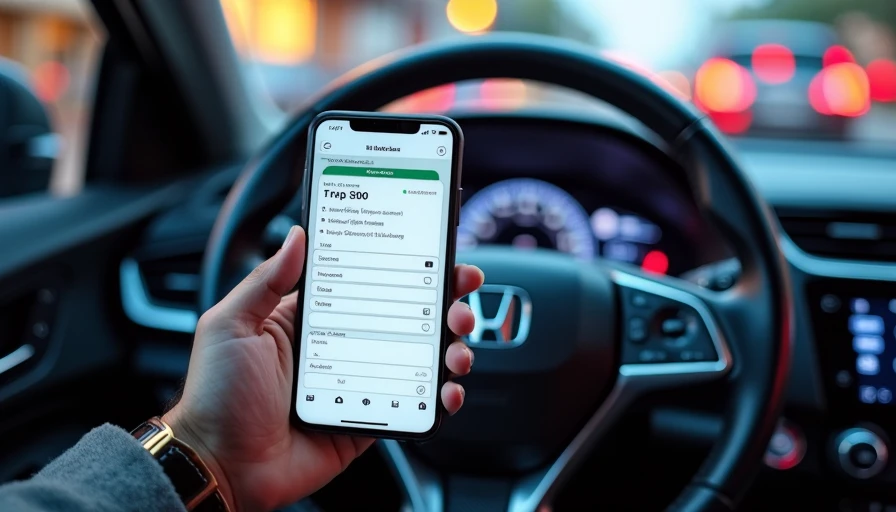
A **Honda recall by VIN** search is especially useful if you bought your car secondhand, moved recently, or changed contact information. Recall notices are often mailed, and it does not take much for a letter to miss you. That gap is common with older vehicles that have had multiple owners.
For resale, completed recall work is a quiet advantage. Buyers like documentation. A folder showing dealership invoices, recall completion records, and regular maintenance tells a better story than a freshly detailed interior ever will. The detail that made the trip: confidence. Whether you are selling a CR-V to upgrade or keeping a Civic for another 80,000 miles, knowing the safety work is current helps.
It also matters if you carry full coverage auto insurance with collision and comprehensive. Insurance does not replace preventive care. Comprehensive can help with theft, vandalism, hail, or falling objects; collision helps after a crash; liability covers damage or injuries you cause to others. A recall repair sits in a different lane. It is a manufacturer safety remedy, not an insurance claim, and handling it promptly can reduce the chance of a breakdown or avoidable risk.
Smart next steps: check, book, save your records
The best approach is simple. Run a **Honda recall by VIN** check today, save a screenshot of the result, and if there is an open campaign, schedule the repair before your next long drive. If no recalls appear, save the date and check again every few months or before a road trip. It is the kind of five-minute task that fits neatly between comparing insurance quotes and topping off windshield washer fluid.
If you are also reviewing your coverage, bundle the safety mindset with a savings mindset. Many drivers can save by comparing rates from major insurers, raising deductibles thoughtfully, or asking about low-mileage and safe-driver discounts. Depending on location and driving history, quote differences can easily run $300 to $900 a year. That is real money, and it pairs well with staying ahead of recall repairs.
In other words: keep the car safe, keep the paperwork clean, and keep the next drive easy. A **Honda recall by VIN** search is free, fast, and genuinely useful. Do it before the weekend, before the used-car purchase, or before that long highway stretch where you would rather think about the playlist than the dashboard.