The first clue is usually smell. You pull into a sun-baked parking garage, shut the engine off, and catch a whiff of gasoline that does not belong in a clean cabin. A gas cap seal can cause that kind of moment, and it is one of those small car problems that feels bigger because it sneaks up on you. It rarely strands a driver right away, but it can light up the dash, waste vapor, and make a road trip feel less tidy than it should. Here’s what you smell first, what you notice second, and what you’ll remember a year from now.
What a healthy seal actually does
A gas cap seal is the rubber ring, gasket, or O-ring that helps the cap close tightly against the filler neck. Its job is simple: keep fuel vapors inside the tank and let the evaporative emissions system do its work without leaks. On a normal commute, that means no smell around the rear of the car, no loose-cap warning, and no drama every time you fuel up. When the seal is in good shape, the cap clicks down with a firm, even feel instead of a crunchy or sloppy one.
The trouble starts when age, heat, or grime changes the fit. In California heat or a humid summer elsewhere, rubber dries out faster than most drivers expect. Road salt, car washes, and over-tightening can all shorten the life of the ring. On older cars, the seal may flatten so much that the cap still turns on, but it no longer closes with the same pressure. That tiny gap is enough for vapor to escape and for the computer to notice.
Why the warning light shows up
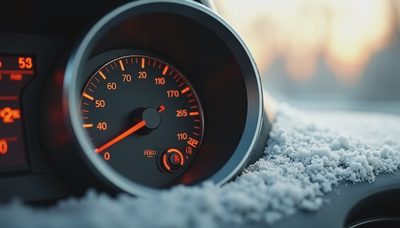
Gas cap seal problems often show up as a check engine light because the evaporative emissions system watches for pressure changes. That system includes hoses, valves, the charcoal canister, and the fuel tank itself, so a leak at the cap can look a lot like a bigger problem at first. The usual result is an EVAP-related code, sometimes after a refuel or after the car sits overnight.
The good news is that the fix is often boring in the best way. If the seal is the only issue, a replacement cap or gasket can be a quick, low-cost repair. Many drivers spend $15 to $60 for an aftermarket cap from Stant, Motorcraft, or ACDelco, while a dealer part can run higher. If the shop has to diagnose a stubborn EVAP leak with a smoke test, the bill can jump to roughly $100 to $200 before parts. That is still cheaper than chasing the wrong problem for a week.
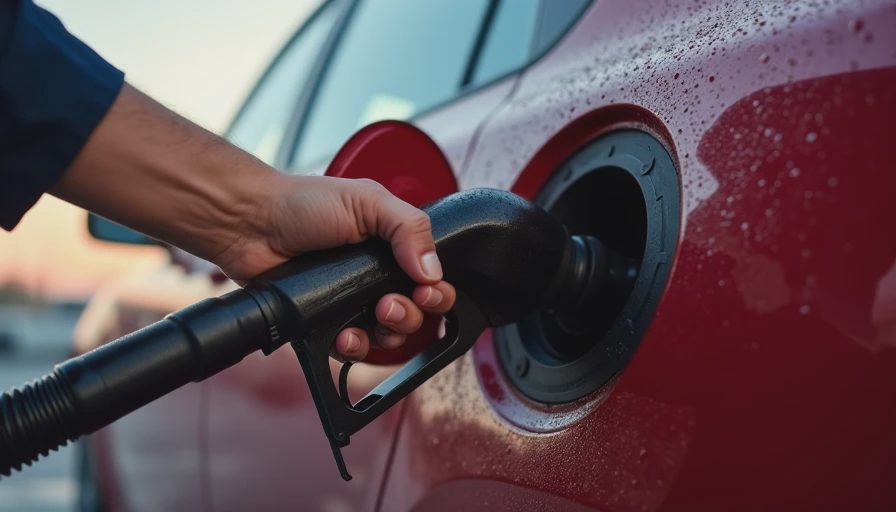
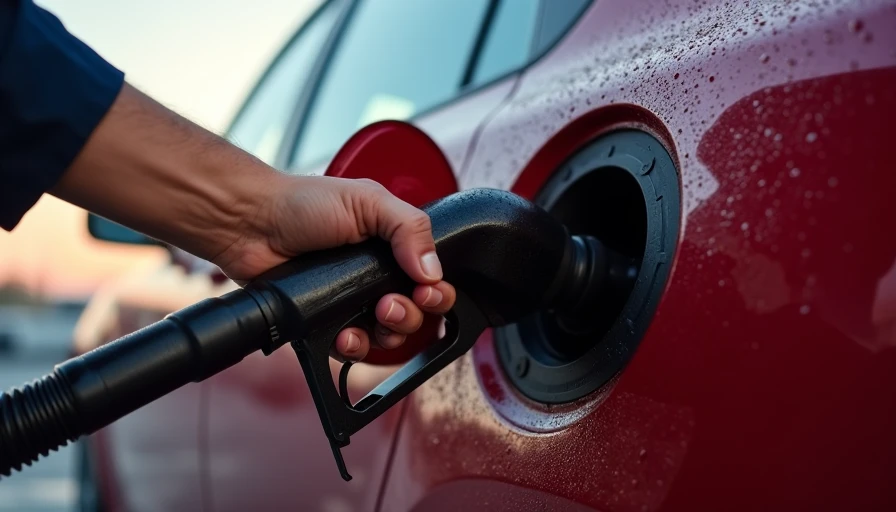
A telltale sign is the smell after a fill-up. If you top off the tank until the nozzle clicks and then keep squeezing, liquid fuel can reach places it should not, and the smell lingers. A worn ring can make that smell stronger, but a bad habit at the pump can do it too. Skip the extra squeeze. Let the nozzle stop where it stops, because that habit is easier on the seal and on the rest of the system.
What it usually costs to replace
Gas cap seal repairs are cheap compared with most engine-light fixes, which is why they are worth sorting out early. If the cap is removable and the seal is sold separately, a gasket kit might cost less than a lunch in a tourist-heavy part of town. If the whole cap needs replacing, an OEM-style cap from a parts store usually lands in the same general range as a routine oil change, not a major repair. That is the detail that made the trip: small parts can still save a full diagnostic appointment if you catch them early.
At the shop, the conversation is usually about fit and confirmation. A good technician may inspect the filler neck for rust, dirt, or a bent lip before recommending anything else. If the neck is damaged, a new cap will not fully solve the problem. That is why the best repair is not always the cheapest part on the shelf. It is the part that seals cleanly against the car you actually own, whether that is a Subaru Outback with a few winters on it or a newer crossover that has already seen a couple of cross-country runs.
Can you keep driving with the issue
Gas cap seal trouble is usually not an emergency, but it should not be ignored for long. If the only symptom is a check engine light and the car otherwise drives normally, you can usually get home, run errands, or finish a weekend trip. What you should not do is assume the light will clear itself and forget about it for months. The computer may keep flagging the same leak, and you lose the chance to catch a simple fix before it grows into a real diagnostic project.
The bigger concern is smell. If fuel odor is strong enough to notice from outside the car, or if you see wetness around the filler area, treat it as more than a nuisance. A damaged cap seal can still be a small repair, but a cracked neck, loose hose, or failing purge valve changes the picture. In that case, the right move is to schedule service rather than keep making short-term guesses. Skip the obvious thing. Do this instead: inspect the cap, inspect the neck, and confirm the source before buying parts.
A quick check before a long trip
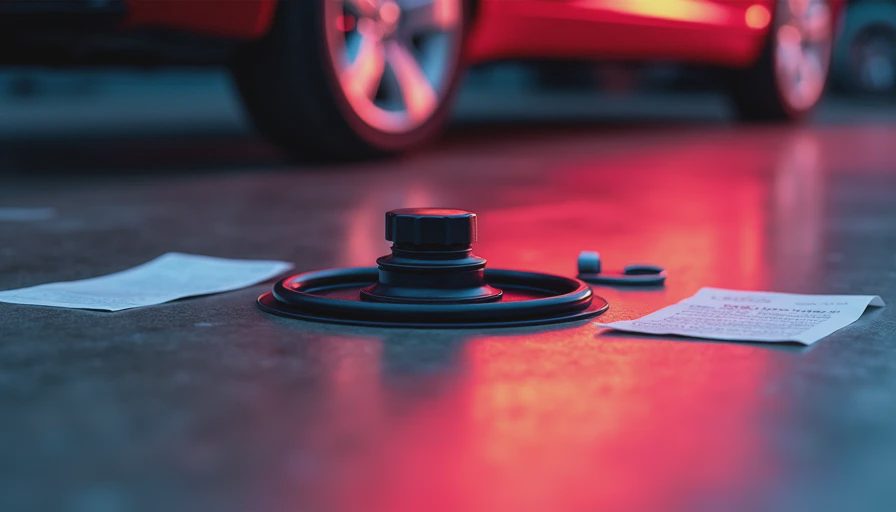
Gas cap seal issues are easy to check in five minutes before you head out. Open the fuel door, remove the cap, and look at the rubber ring. If it is flattened, split, shiny, or sticky, that is a warning sign. Wipe the filler neck with a clean cloth, then twist the cap back on until it clicks the way it should. If the seal still feels loose, or if the check engine light returns after a few drive cycles, the part is probably done.
Before a road trip, I like this kind of repair because it is cheap peace of mind. You do not want a vapor leak turning into a nuisance light somewhere between a coastal motel and dinner reservation. If a replacement cap or gasket is all you need, it is one of the easiest fixes in modern car ownership. If you want to avoid a repeat visit, buy the right part for the exact year, make, and model, not the nearest one on the shelf. A year later, what I still think about is how often the smallest parts keep a trip running smoothly.