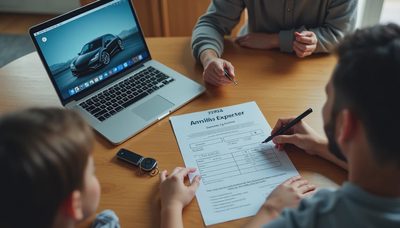
The first thing you notice on a long drive is usually the soundtrack: tire hum, a turn signal click, maybe coffee cooling in the cupholder. The second thing is peace of mind. If you drive a Honda, one of the smartest five-minute checks you can do before the next commute or weekend escape is to **check Honda recall by VIN**. It is simple, free, and much more useful than guessing based on model year alone. A recall can affect brakes, fuel systems, software, airbags, or other safety-related parts, and the fix is typically handled at no cost to the owner.
Why a VIN search matters more than a quick Google search
A lot of drivers search a recall by typing in something broad like “Honda Accord recall” or “CR-V issue.” That can point you in the right direction, but it does not tell you whether your exact vehicle is included. The better move is to check the 17-character Vehicle Identification Number, or VIN. That number is tied to your specific car, which means the result is more precise than scanning headlines or forum posts.
You can usually find the VIN at the lower corner of the windshield on the driver side, on the driver door jamb, on your registration card, or on your insurance paperwork. Once you have it, you can search official recall tools in minutes. This is especially useful if you bought the car used, inherited it from family, or are getting ready for a road trip and want one less thing hanging over the drive.
The detail that made the trip: broad recall news creates anxiety, but a VIN lookup gives clarity. Instead of wondering whether your Civic or Pilot is affected, you get a direct answer tied to your exact vehicle.

Where to check Honda recall by VIN safely and quickly
If you want the cleanest answer, start with Honda's official recall lookup page and the NHTSA recall search tool. Both are designed to show open safety recalls connected to your VIN. Open recalls are the important part here, because they are recalls that still need to be completed. If a recall repair was already done by a dealer, it may not show as open.
To **check Honda recall by VIN**, enter all 17 characters exactly as shown. One wrong letter or number can return no result or the wrong result. If your search shows an open recall, read the summary carefully. It will usually explain the issue, the risk, and the repair remedy. In many cases, the repair is free through an authorized Honda dealer.
You can also call a local Honda service department with your VIN and ask them to verify open recalls and parts availability. That extra step matters because some recall fixes can be completed same day, while others require ordering parts. If you are comparing dealers, ask about earliest appointment dates, loaner availability, shuttle service, and estimated repair time.
What kinds of Honda recalls you might see
Not every recall sounds dramatic, but many deserve quick attention. Some involve software updates that affect backup camera displays or instrument clusters. Others involve more serious systems like airbags, fuel pumps, steering components, seat belts, or brake-related parts. The point of a recall is not that every car has already failed; it is that the manufacturer or regulators identified a safety-related defect or noncompliance that should be corrected.
If you check Honda recall by VIN and see an airbag or fuel system recall, do not put it off. Those are worth scheduling quickly. If the recall is for a less urgent software issue, you still want it handled, especially if you rely on the vehicle for family travel, daily commuting, or rides to the airport before an early flight.
For used-car shoppers, this search is also a negotiation tool. An open recall does not automatically make a car a bad buy, but it does tell you one thing to resolve before you hand over cash. Skip the obvious thing. Do this instead: run the VIN before you buy, then ask the seller for service records and proof of recall completion.

What to do after you find an open recall
Once an open recall appears, the next step is practical, not panicked. Call a Honda dealer, give them the VIN, and ask whether the remedy is available now. Some repairs are as quick as an inspection plus a part replacement. Others take longer if demand is high or the repair campaign is still ramping up.
Ask four questions: Is the vehicle safe to drive until the appointment? How long will the repair take? Are parts in stock? Is there any transportation support if the car stays overnight? Those answers help you plan without scrambling.
If your schedule is packed, try bundling the recall visit with routine maintenance like an oil change, tire rotation, or brake inspection. That can save time and reduce another service trip later. And keep your paperwork. A completed recall invoice can help when you sell or trade in the vehicle because it shows the issue was addressed.
In general, recall repairs are free. That is different from a warranty claim or wear-and-tear service. If a service advisor suggests added work, ask them to separate the recall remedy from optional maintenance so you can see what is covered and what is not.
Why this matters for safety, resale, and insurance peace of mind
A year later, what I still think about is how often the best car habits are the least glamorous ones. Not wax, not accessories, not another phone mount. Just checking the basics before they become expensive or dangerous. When you **check Honda recall by VIN**, you are protecting more than the car. You are protecting your weekend plans, resale value, and the kind of confidence that makes a drive feel easy.
An unresolved recall can complicate a private sale and raise fair questions from buyers. It can also leave a safety issue sitting quietly in the background while you keep driving. That does not mean every recall is urgent in the same way, but it does mean every open recall deserves attention.
If you have your VIN handy, do it today. It takes less time than ordering takeout and can save you from a much bigger headache later. Here's what you smell first, what you notice second, and what you'll remember a year from now: the coffee, the clean cabin, and the relief of knowing your Honda is ready for the miles ahead.