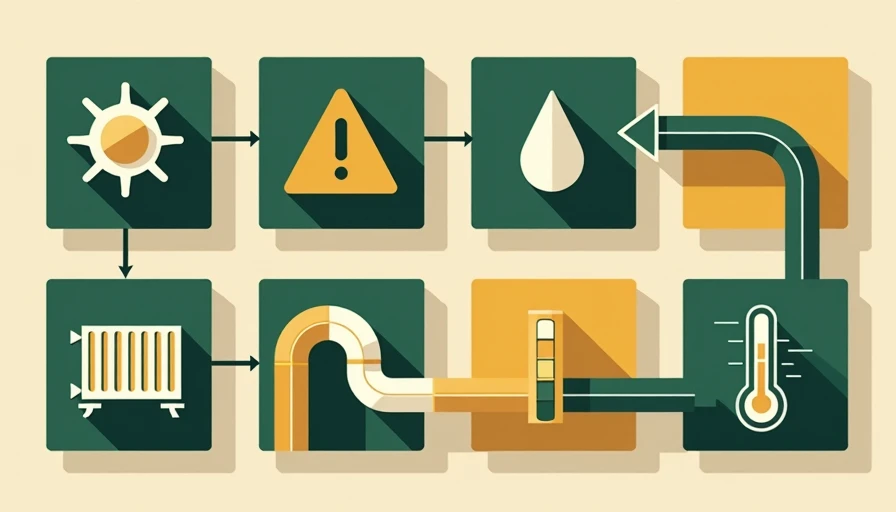
The first clue is usually not the puddle itself. It is the smell: sweet, hot coolant drifting up after a grocery run or a long climb out of the city, the kind that makes you glance at the temperature gauge before you even check the driveway. Can a bad thermostat cause coolant leak? Yes, and in real life it is often the thermostat housing, gasket, or a cracked seal around that assembly that gives way first.
That matters because a driver can spend a lot of time chasing the wrong part. The thermostat does not always leak on its own, but when it sticks, overheats the engine, or sits inside a brittle plastic housing, the cooling system starts acting like a stressed-out espresso machine. Pressure rises, weak points open up, and coolant finds the easiest exit.
How the thermostat fits into the cooling system
A thermostat is a simple valve with a big job. When the engine is cold, it stays closed so coolant warms up quickly. Once the engine reaches operating temperature, it opens and lets coolant move through the radiator. On a healthy car, you never think about it. You just get steady heat from the vents and a gauge that sits where it should.
Problems start when the thermostat sticks shut, sticks open, or fails inside a housing that has aged out. Many modern vehicles use plastic housings and integrated seals, which means a small issue can look like a bigger one. A weak O-ring can seep. A warped housing can drip. And if the thermostat keeps the engine too hot, the extra pressure can make another part of the cooling system fail, which is why the answer to Can a bad thermostat cause coolant leak is often yes, but indirectly.
The detail that made the trip: the leak is not always dramatic. Sometimes you will only see a crusty white or pink residue around the housing after a few heat cycles. That dried trail is a clue that coolant has been escaping for a while, even if the ground looks clean.
Signs it is the thermostat area, not just any leak
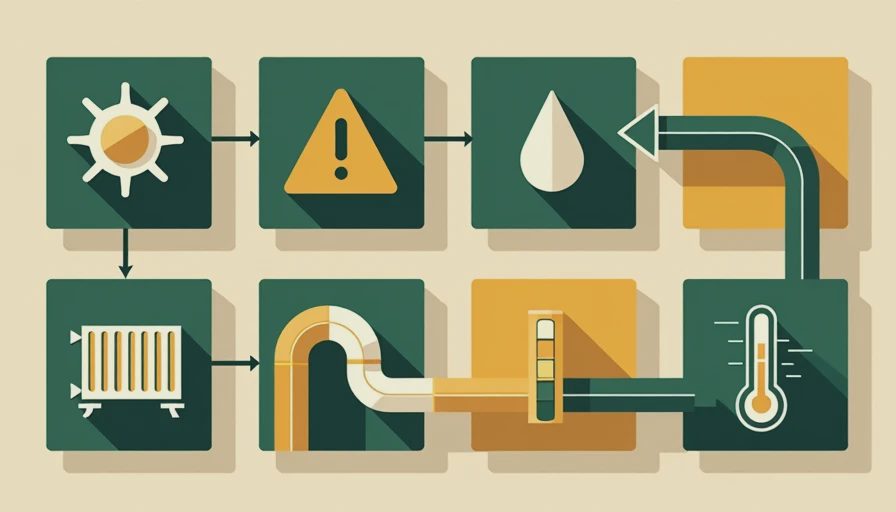
When I am sorting out a cooling issue, I look for a pattern, not a single symptom. If the temperature gauge climbs at stoplights, then settles once you are moving, that can point to a thermostat problem or a cooling fan issue. If the heater blows lukewarm air on a cold morning, coolant may not be circulating the way it should. If you smell coolant after parking, pop the hood only after the engine cools and look near the upper radiator hose and thermostat housing.
A leak near the thermostat often leaves a wet ring, crusty residue, or a damp hose connection right where the housing meets the engine. You might also notice the coolant reservoir dropping faster than expected even though there is no huge puddle. That is the sort of leak that sends drivers to the shop after a weekend trip, not the kind that announces itself with a dramatic steam cloud.
If the car starts to run hot, do not keep driving as if nothing happened. Overheating can warp components, damage the head gasket, and turn a manageable repair into a much larger bill.
What to check before you book a repair
Start with a cold engine and a flashlight. Look for dampness around the thermostat housing, the hose clamp, and the nearby coolant lines. If the plastic housing looks chalky, cracked, or stained, that is a useful clue. Check the coolant reservoir level, then compare it a day later after the car has sat overnight. If it keeps falling, there is still a leak somewhere in the system.
I also like the old-school cardboard trick. Park over a clean sheet of cardboard after a drive and see where the drip lands. A puddle dead center under the engine bay tells you something different from a drip near the passenger side front corner. On some cars, the thermostat sits high and dry enough that leaks only appear after the system pressurizes, so you may need to inspect after a longer drive rather than a quick errand.
Do not open a hot radiator cap. That is one of those repairs that sounds simple until a cloud of scalding coolant reminds you why the system is sealed. If you are unsure, a cooling system pressure test at a shop can pinpoint the failure quickly.

What repairs usually cost
The thermostat itself is rarely the expensive part. In many cars, the part runs about $15 to $80. If the housing is integrated, the assembly can climb to roughly $40 to $150. Labor is the bigger swing, because access matters. A straightforward replacement can land around $150 to $300 at an independent shop, while a tighter engine bay or a more involved cooling system can push the bill toward $400 or more.
If the leak has been ignored and the engine overheated, the cost can jump fast. Hoses, clamps, a water pump, or even a head gasket diagnosis may enter the picture. That is why a small seep is worth handling early. I have seen drivers wait through one more road trip, one more commute, one more hot afternoon, and the final repair always costs more than the first estimate.
For many daily drivers, this is the kind of fix that is worth paying a competent shop for if the housing is buried under intake parts or tucked behind accessories. A clean repair now is cheaper than a tow later.
A road-trip rule that saves money
If you are planning a drive that matters, treat the cooling system like you treat tire pressure before a mountain route: check it before it becomes a story. Around here that might mean a run down Highway 1, a cross-desert weekend, or just a long Saturday with too many errands and not enough patience. A healthy cooling system is invisible until it is not.
That is why Can a bad thermostat cause coolant leak is not just a mechanical trivia question. It is a practical one. A thermostat fault can trigger seepage, overheating, and pressure-related damage that starts small and ends at the tow truck. If you catch it early, you are usually looking at a manageable repair instead of a ruined afternoon.
If the gauge moves, the cabin heat acts strange, or you smell sweet coolant after parking, get the system inspected. Skip the guesswork, replace the weak part, and get back to the part of driving that actually matters: the road, the view, and the meal waiting at the end of it.