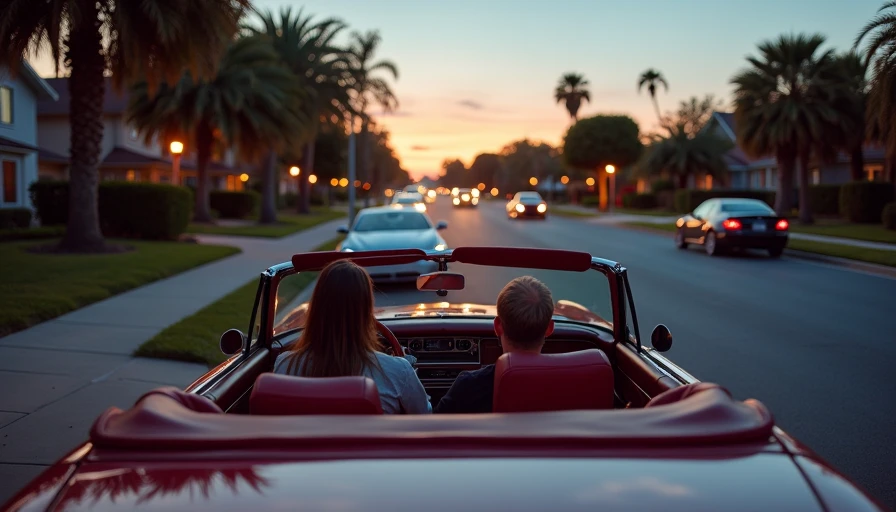
The first thing you notice in cabriolets is not speed. It's the smell of warmed leather after the car has been sitting in the sun, then the sound of wind folding over the windshield as you ease onto a coastal road. I still remember a foggy morning in the Bay Area when the top went down and the trip felt ten miles longer in the best way. That is the appeal: cabriolets make ordinary errands feel like a short escape, but they also ask a buyer to think about weather, storage, insurance, and how often the roof will actually be down.
Why cabriolets still earn their place on the road
Cabriolets are never the quickest answer on paper, and that is part of the charm. They turn a commute into a small ritual: find a clear stretch, lower the roof, and let the cabin become part of the scenery instead of a sealed box. On a gray morning, even a five-mile drive can feel new. On a bright one, the same route can remind you why people plan weekend drives around the forecast.
I like them most when the rest of the trip is simple. A good open-top car pairs well with a two-hour coastal run, a vineyard loop, or a late lunch in a town where parking is easy and the roads bend just enough. That is the real test. If the car makes you want to take the longer way home, the engineering is doing its job.
The details that separate a smart purchase from a regret
The roof is only the headline. What matters is how the rest of the car behaves with the top up, because that is how you will spend a lot of time. A soft top usually saves weight and can keep the car feeling lighter on its feet, while a retractable hardtop can feel more insulated but usually adds complexity and cost. Either way, inspect the seals, test the latch points, and listen for creaks over broken pavement.
Trunk space is another place where reality bites. Some models leave you enough room for a weekend bag and not much else. Others make you pack like a minimalist. If you think you will use the rear seats, sit in them. If you think you will carry a stroller, golf clubs, or a camera bag, put them in the car before you sign anything. Heated seats, a good wind blocker, and a quiet cabin at freeway speed are not luxuries here; they are what make the car usable in more than one season.

The small details I would check on a test drive
A roof can be beautiful and still noisy. Take the test drive at freeway speed, over patched asphalt, and with the radio off for a minute. A little wind noise is normal. A drumming top seal or a whistle at the side mirror is not. Try the roof twice if the dealer will let you. The first time tells you whether it works. The second time tells you whether it works consistently.
I also pay attention to the things that make the car easier to live with. A narrow trunk opening can be more annoying than a small trunk volume. A rear window that fogs fast is more annoying than you expect. So is a blind spot big enough to swallow a cyclist. If the car will live outside, ask how the top handles rain, dust, and sun over time. A garage changes the math. So does a car cover and a little discipline.
Cabriolets I would cross-shop before buying
Cabriolets are not one-size-fits-all, and that is what makes shopping them interesting. A Mazda MX-5 Miata feels like a bright, lightweight sketch of a sports car, perfect if you want feedback more than status. A BMW 4 Series Convertible lands in a different lane, with more insulation and a calmer long-distance feel. A Porsche 911 Cabriolet is the splurge pick, the one that can make a morning coffee run feel like a launch event. None of them are trying to be the same thing, and that is the point.
What I would compare is not just horsepower, but how each car changes your day. Does the steering feel easy in town? Does the top disappear fast enough that you will actually use it? Does the cabin still feel elegant after a few years of sun and hand oils? The best ones do not ask you to become a different kind of driver. They just make the drive you already wanted.
Insurance, storage, and weather reality
This is where the purchase gets practical. Open-top cars usually need more careful coverage than their closed-roof siblings because the roof, glass, and trim are more exposed. Comprehensive coverage matters if you worry about hail, falling branches, theft, or vandalism. Collision coverage matters if the car is expensive to repair after a parking-lot scrape. If the model uses uncommon parts or a complex folding roof, repair bills can climb faster than a shopper expects.
That is why quotes matter before the excitement takes over. Large carriers like GEICO and Progressive are good starting points if you want fast online comparisons, while State Farm and independent agents can be useful when you want someone to walk through deductibles, glass coverage, and replacement-parts assumptions. I would not be shocked to see the same driver pay a noticeably different premium for a coupe versus an open-top version, sometimes by hundreds of dollars a year. Garaging the car, keeping a clean record, and choosing a sensible deductible can narrow the gap.

Cabriolets and the checklist that saves money
Before you buy cabriolets, make the test drive boring in the best way. Raise and lower the roof more than once. Check how the windows meet the seals. Drive at neighborhood speed and then at 55 mph so you can hear both the little rattles and the bigger wind notes. Put your usual bag in the trunk with the roof up and down. If the car has rear seats, sit there. If the car is meant for weekend trips, imagine the moment you pull into a motel or a diner and have to unload everything without blocking traffic.
The detail that made the trip for me, again and again, is how these cars turn planning into pleasure. When the purchase is right, cabriolets make the drive feel like part of the destination instead of a separate chore. If you are comparing models and quotes, ask for the trim you actually want, not the one that looks cheap on paper. Then choose the version that fits your roads, your garage, and the way you like to disappear for a few hours.