The Buick Station Wagon: Why America's Road-Trip Icon Still Matters
You catch it first as a scent: warm vinyl and old paper maps. Then you see the shape — a long, low roof over a rear end that seems to go on forever. A Buick station wagon always felt less like a car and more like a promise that the family was going somewhere good. Half a century later, that promise still holds.
Here's what you smell first, what you notice second, and what you'll remember a year from now: driving a Buick station wagon down a two-lane highway with the third row folded flat, the dog's head hanging out the quarter window. These wagons are practical, affordable, and more road-trip-right than a dozen crossovers.
What Made the Station Wagon a Family Icon?
In the 1950s and 1960s, the station wagon was the suburban status symbol before the minivan. Buick offered wagons with a cabin quiet enough for conversation and a ride soft enough to keep a sleeping toddler down for the full drive. The 1970 Buick Estate Wagon, with its wood-grain sides and 455 V8, could tow a boat while carrying six people and a week's worth of luggage. That generation of Buick station wagon set the template: room for everyone, space for everything.
The full-size wagons of the 1970s were enormous, but they handled like docked ships. That's why the 1991 Roadmaster Estate — a rebadged Chevy Caprice wagon — remains the one enthusiasts talk about. It had a rear-facing third-row seat and a 5.7-liter V8 that made interstate cruising effortless. The Roadmaster also had a dash that curved around the driver like a cockpit, which felt wild at the time.
Three Generations Worth Hunting For
If you're shopping used, three generations deserve your attention. A clean 1990s Roadmaster Estate with under 100,000 miles typically trades between $8,000 and $15,000. Earlier 1970s models have become collector items, with restored examples asking $25,000 or more. And the Buick Regal TourX — built from 2018 to 2020 — is the last car Buick sold in the U.S. wearing the wagon shape. It behaves like one, with 32.7 cubic feet of cargo space and all-wheel drive. TourX prices have dropped to the low $20,000s.

The 1971 Buick Estate Wagon: the first with flared fenders and a clamshell tailgate that dropped into the floor. It made loading feel like a party trick.
The 1991-1996 Roadmaster Estate: the last true Buick station wagon with a V8 and a rear seat that faced backward. Parents loved the 4,000-pound towing capacity.
The 2018-2020 Buick Regal TourX: the modern sleeper. It handles like a European sport wagon, yet it still hauls camping gear like the old guard.
Why a Wagon Is the Perfect Modern Road-Tripper
Crossovers are fine, but they're tall and bloated. A wagon sits lower, which means better aerodynamics and less lean in corners. The Buick station wagon philosophy was never about pretending to climb mountains; it was about covering 800 miles in a day without anyone asking "are we there yet?" for the last three hours.
The Roadmaster's front seats were as deep as living-room recliners. The TourX has the latest infotainment and seats that stay comfortable after a full tank of gas. Both share that Buick hush: wind noise is kept outside, road noise is filtered out. On a trip down the Pacific Coast Highway, I'd take a used Roadmaster over a new compact SUV every time.
There's another reason the Buick station wagon makes sense for road trips: the cargo bay is a flat, wide rectangle. You can slide an 8-foot surfboard diagonally, or camp inside with the seats folded. Crossovers have higher lift-over heights; wagons keep the load floor low. That low load floor is a blessing when you're hauling a cooler of oysters home from the coast.
What to Check Before Buying a Used Wagon
On the 1970s models, look for rust around the rear wheel arches and the tailgate opening. On Roadmaster Estates, the body mounts can rot out. Verify the rear-facing third row latches securely.
For the Regal TourX, check the service history for transmission fluid changes and the turbocharger. The 2.0-liter four-cylinder is reliable, but only if oil changes were done on schedule. In snow country, inspect the rear struts; they wear faster. Take the car on a rough road; it'll tell you more than any scan tool.
Pricing varies by region. The classic car market has softened, but the demand for quirky wagons hasn't. Pay extra for service records and a rust-free undercarriage. Skip "barn find" deals; you'll spend the savings on brake lines and fuel system repairs.
The Road Trip Test: What You'll Remember a Year From Now
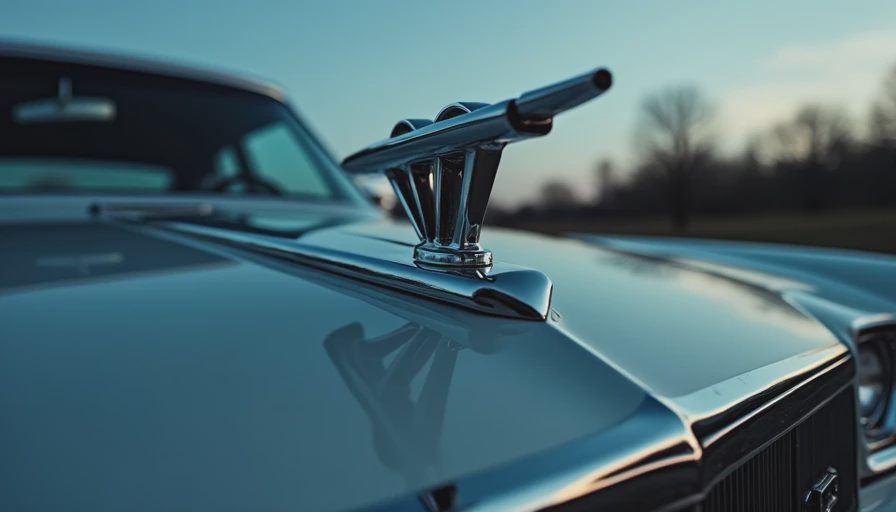
You'll remember the way the hood stretched out long and flat, the way the woodgrain caught the afternoon light. A Buick station wagon gives you a trip the way a good meal gives you a story — you don't just arrive, you arrive with something to talk about.
Don't take my word for it. The next time you're browsing used listings, don't overlook the wagon section. The crossover's victory may have pushed the station wagon off the showroom floor, but the open road still remembers. Whether you choose a massive Roadmaster Estate or a composed TourX, you're buying into the last generation of cars designed around the family trip itself. Fill the tank, fold the seats, and go somewhere worth the drive. That's what a Buick station wagon was always for.